How Travel Agencies Can Scale Bookings Across Multiple Channels
For modern travel agencies, relying on a single website to capture bookings is no longer enough. Travelers search for itineraries, destination guides, and tour packages across search engines, mobile apps, social platforms, and digital kiosks. To capture this traffic, your agency needs a unified search engine optimization (SEO) strategy that distributes content seamlessly across all these channels.
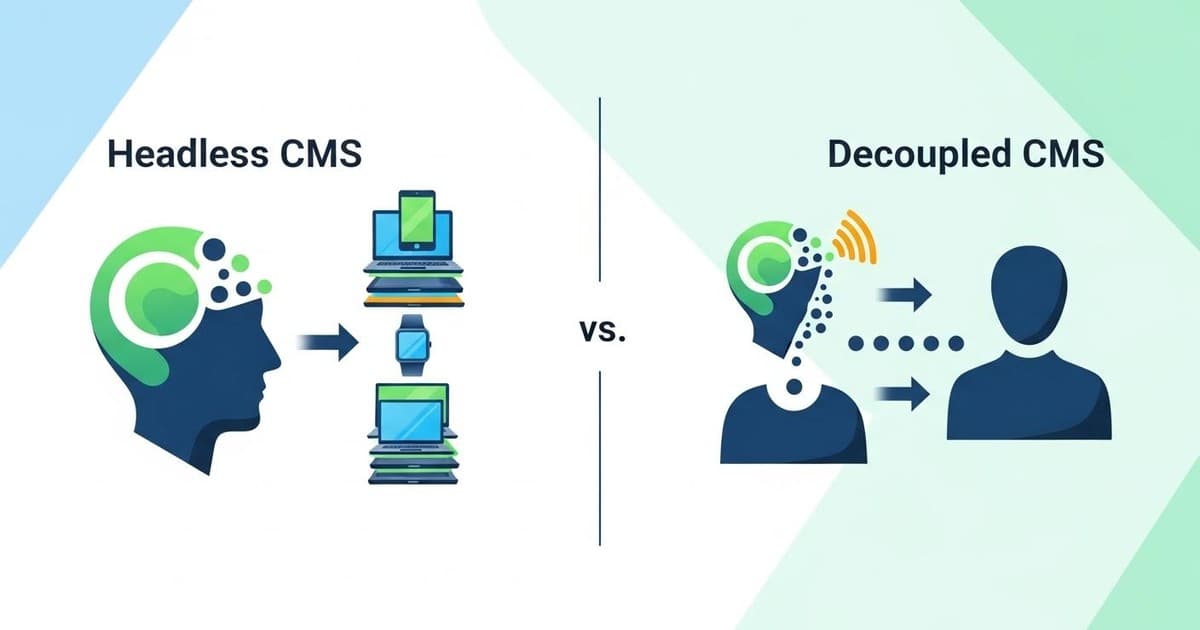
Instead of managing separate content silos for your blog, your mobile app, and your third-party booking portals, successful travel brands use structured content. By optimizing your travel data once, you can feed it to multiple platforms, ensuring consistent branding, accurate pricing, and maximum search visibility.
The Core Components of a Multi-Channel Travel SEO Strategy
To rank for high-value travel queries and capture search intent at every stage of the booking funnel, your agency must focus on several key areas of your digital infrastructure.
1. Structured Travel Content and Schema Markup
To rank in search engine results pages (SERPs), your travel itineraries, destination guides, and hotel reviews must be structured properly. Using schema markup (such as Trip, Event, or LocalBusiness schema) helps search engines understand your offerings. This structure also allows you to push the same travel content to your website, mobile app, and partner platforms without duplicating your writing efforts.
2. Fast Content Delivery and API Performance
Travel searchers are impatient. If your destination pages or booking engines load slowly, users will bounce to a competitor. Ensuring your content is delivered via a fast API and backed by a global Content Delivery Network (CDN) keeps your page speeds low. Speed is a direct ranking factor for Google, making technical performance essential for SEO.
3. Consistent Multi-Device Experiences
Travelers often start their research on a mobile phone during their commute and complete the booking on a desktop computer at home. Your SEO content must look and perform flawlessly across all devices. A disjointed user experience will hurt your conversion rates and signal to search engines that your site does not meet user expectations.
4. Integration with Booking Engines and CRMs
Your content needs to connect directly with your inventory and booking systems. When a traveler searches for "luxury safaris in Kenya," they should land on an SEO-optimized page that displays real-time availability and pricing. Integrating your content with your booking engine prevents outdated information from hurting your search rankings and user trust.
Common Pitfalls in Travel Agency SEO
Many travel agencies struggle with SEO because they treat each digital platform as a separate project. This leads to several common issues:
- Content Inconsistency: Displaying different prices or itinerary details on your blog versus your booking app.
- Technical Debt: Relying on slow, outdated website platforms that cannot handle modern SEO requirements.
- Poor Localization: Failing to optimize travel content for different regions, currencies, and languages.
By building a centralized content strategy, your travel agency can avoid these pitfalls, improve search rankings, and deliver a seamless booking experience.
Boost Your Travel Agency's Search Visibility
Managing multi-channel SEO requires technical expertise and a deep understanding of how travelers search online. Decipher helps travel agencies build comprehensive SEO and AI-search (GEO) strategies that drive organic traffic and increase direct bookings. Contact Decipher today to learn how we can scale your agency's search performance.