Why Technical Website Structure Matters for Law Firms
When potential clients need legal representation, they search online. If your law firm's website is slow, confusing, or poorly structured, those visitors will quickly return to the search results to find a competitor. Google also penalizes websites that offer a poor user experience.
Your website's underlying technical architecture is the foundation of your entire digital marketing strategy. Here are seven technical website requirements your law firm must implement to rank higher and convert more visitors into clients.
1. Fast Page Speed and Core Web Vitals
Google uses Core Web Vitals as a direct ranking factor. These metrics measure how fast your pages load, how quickly they become interactive, and whether the layout shifts unexpectedly. For law firms, a slow website directly translates to lost leads. Modern website architectures ensure your code is clean and lightweight, allowing your pages to load in under two seconds.
2. Secure Protocols (HTTPS)
Security is paramount for legal practices. Clients trust you with sensitive personal and financial information. A secure website using HTTPS is not only a ranking signal for search engines, but it also displays a secure lock icon in user browsers. This builds immediate trust and protects your firm from security vulnerabilities.
3. Schema Markup and Structured Data
Schema markup is a code structure that helps search engines understand the content of your pages. For law firms, implementing specific schemas like LocalBusiness, Attorney, and FAQ helps Google display rich snippets in search results. This makes your search listings larger, more informative, and more likely to be clicked.
4. Clean URL Structures and Logical Hierarchy
A well-organized site structure helps search engines crawl your pages efficiently. Your URLs should be intuitive and descriptive. For example, grouping your practice areas under a clear hierarchy (such as /practice-areas/personal-injury/) helps search engines understand your topical authority and improves user navigation.
5. Seamless Integration with Legal Intake Software
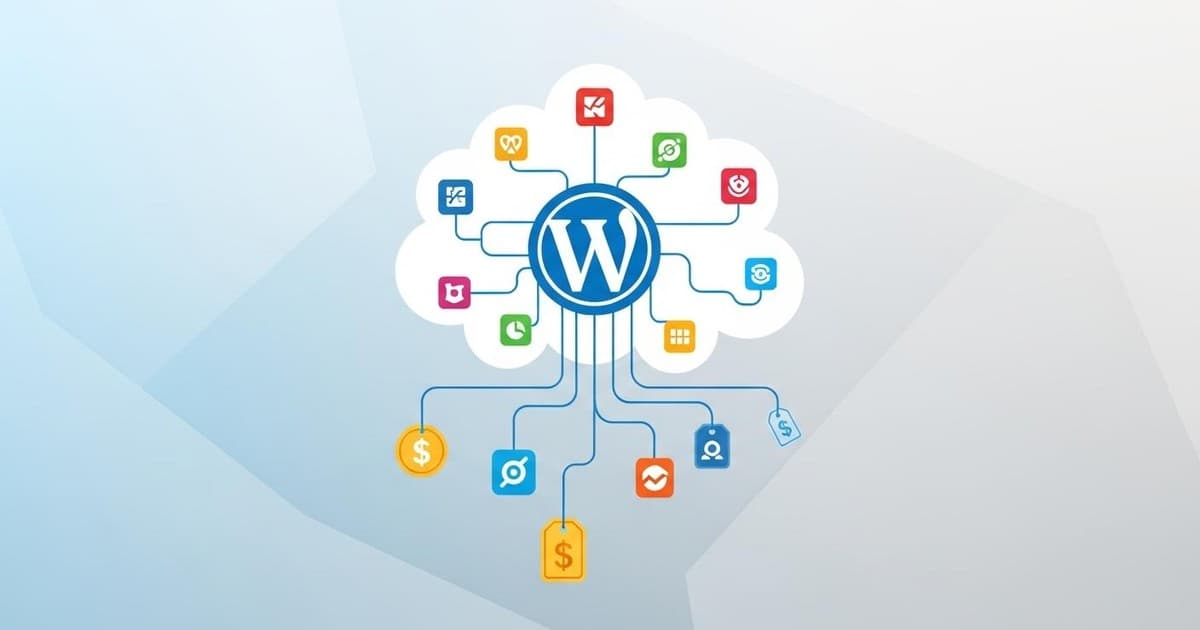
Your website needs to connect with customer relationship management (CRM) and intake tools like Clio or Filevine. However, poorly coded third-party scripts can drastically slow down your site. A modern, API-driven architecture allows your website to securely pass lead data to your intake software without sacrificing page speed.
6. Mobile-First Responsiveness
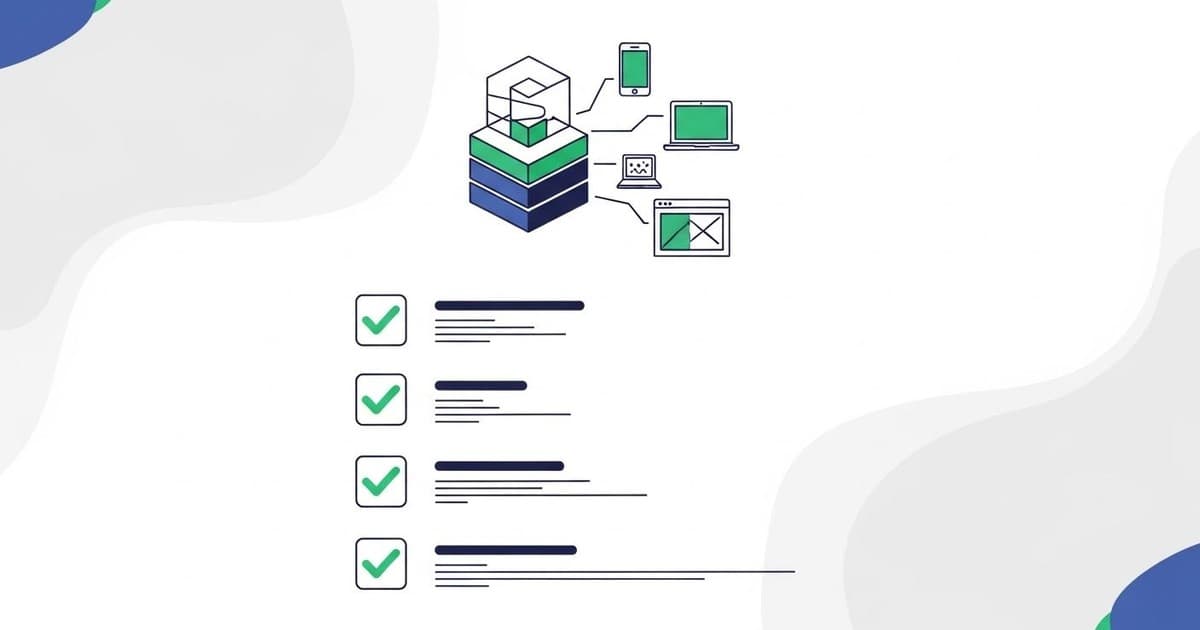
The majority of legal searches occur on mobile devices. Google indexes websites based on their mobile versions. Your site must adapt seamlessly to any screen size, ensuring that phone numbers, contact forms, and navigation menus are easy to use on smartphones.
7. Optimized Internal Linking
Internal links guide users and search crawlers through your website. By linking your blog posts to relevant practice area pages, you distribute page authority throughout your site. This signals to Google which pages are the most important, helping your primary service pages rank higher for competitive search terms.
Improve Your Law Firm's Search Visibility
Building and maintaining a technically sound website is a continuous process. At Decipher, we specialize in technical SEO, search engine optimization, and AI-search optimization tailored specifically for law firms. Contact Decipher today to learn how we can help grow your practice's online presence and attract more qualified leads.