Why a CMS Is the Best Fit for App Delivery
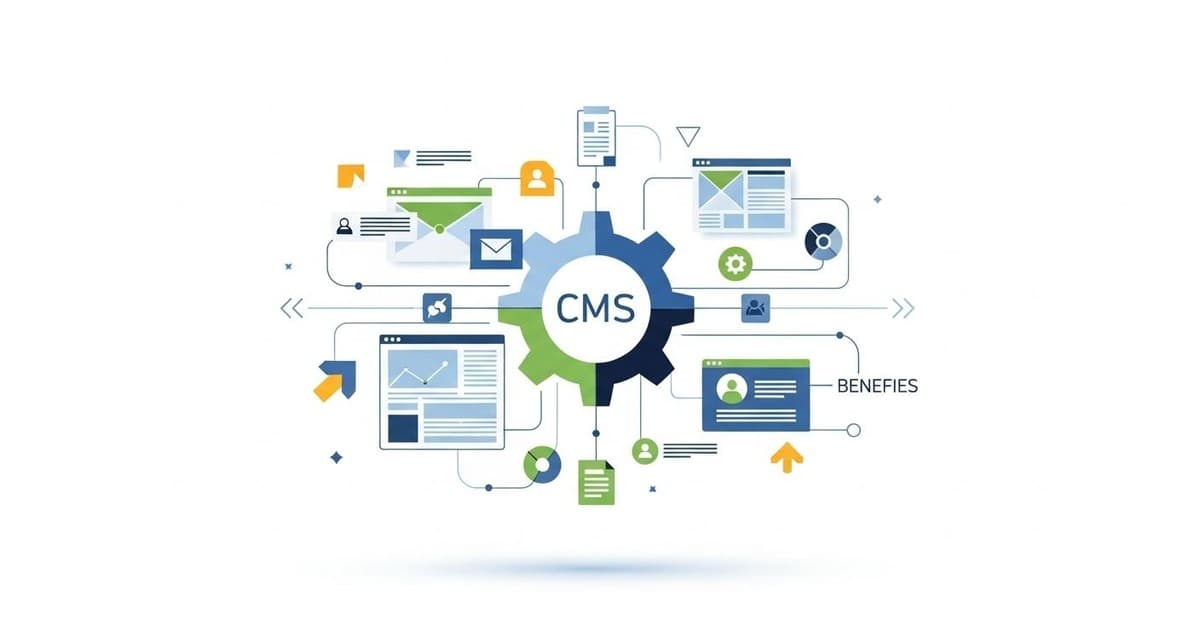
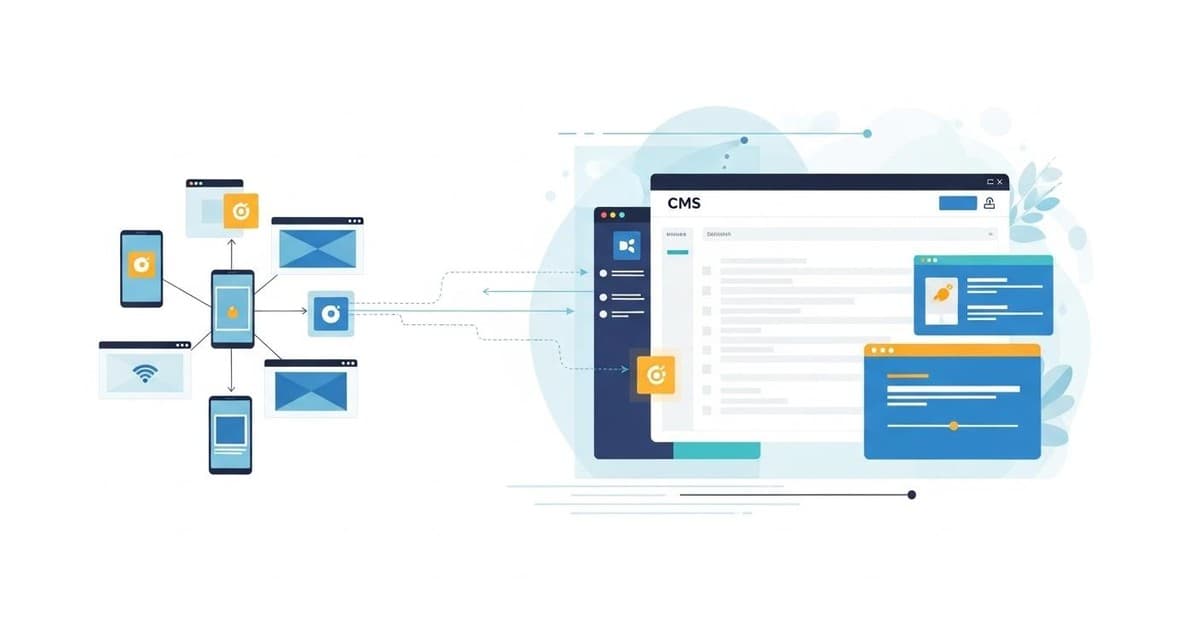
A content management system (CMS) is the best fit for app delivery because it provides a centralized, API-first infrastructure that enables agencies to manage content across multiple mobile platforms simultaneously while maintaining consistency, reducing development time, and scaling efficiently for numerous clients. This approach transforms how digital and marketing agencies deliver mobile experiences, moving beyond traditional development bottlenecks to a more agile, content-driven model.
For agencies managing multiple clients with diverse app requirements, the right CMS infrastructure becomes not just a tool but a competitive advantage. Let's explore why this technology has become essential for modern app delivery and how it solves the unique challenges agencies face today.
The Evolution from Traditional App Development to CMS-Driven Delivery
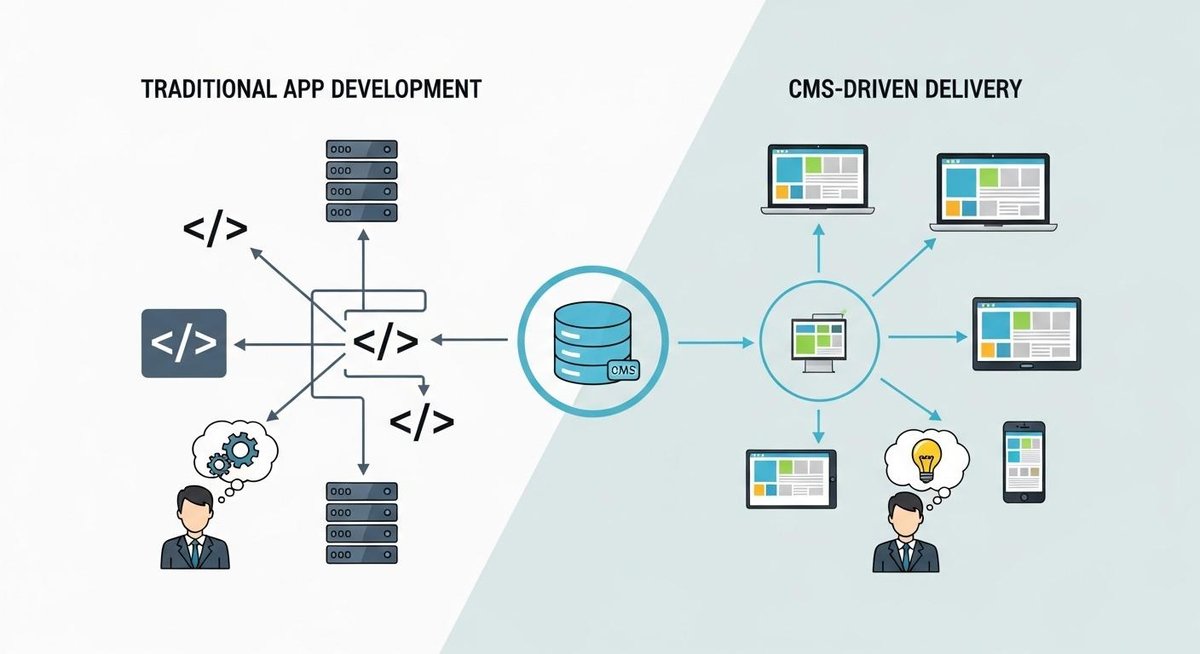
Traditional app development required separate codebases for iOS and Android, with content updates necessitating new builds, app store reviews, and user downloads. This process created frustrating delays for clients who needed to respond quickly to market changes or update promotional content.
A headless CMS revolutionizes this workflow by decoupling content from presentation. Development teams build the app shell once, while content flows through APIs, allowing instant updates without redeployment. This separation means your agency can deliver content changes in minutes rather than weeks, giving clients the agility they demand in competitive markets.
Centralized Content Management Across Multiple Client Apps

When your agency manages ten, twenty, or fifty client apps, efficiency becomes paramount. A robust CMS for digital agencies provides a single dashboard where your team can orchestrate content across all client projects without switching between platforms or maintaining separate systems.
This centralized approach offers several practical benefits. Your content creators learn one interface and apply that knowledge across all projects. Your developers integrate once and replicate the pattern for new clients. Your project managers gain visibility into all active campaigns and content schedules from a unified view.
The best cms for marketing agency work includes role-based permissions that let you grant clients direct access to their content without exposing other projects or backend configurations. This transparency builds trust while reducing the support burden on your team.
API-First Architecture for Seamless Multi-Platform Delivery
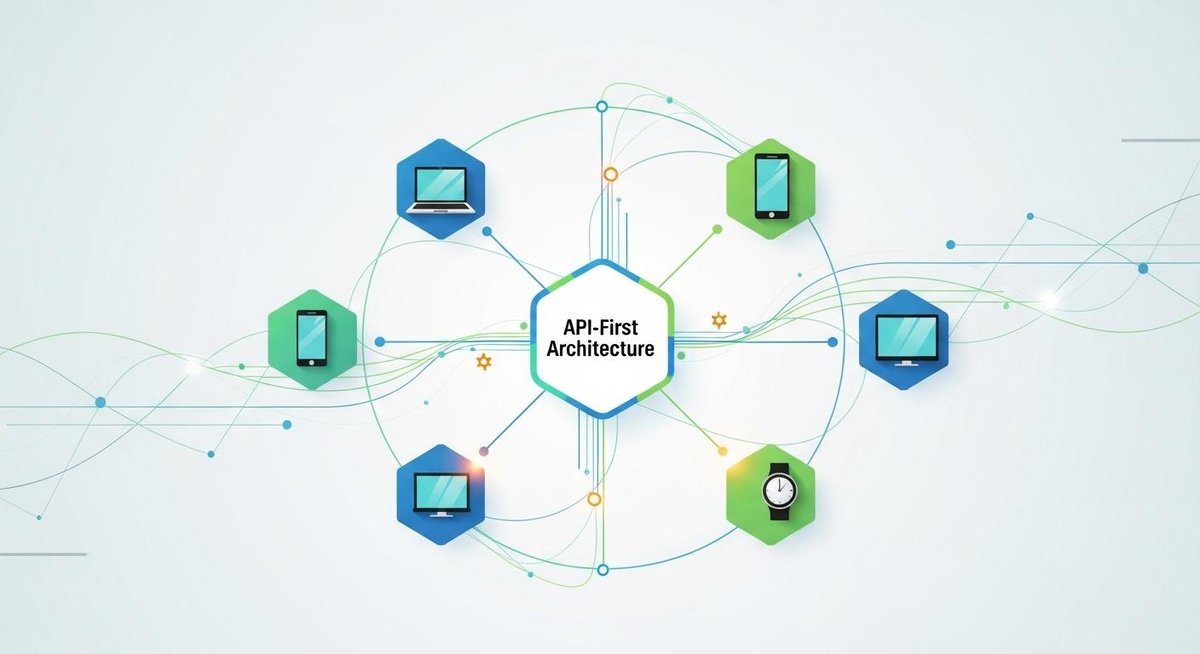
An API-first CMS treats content as data that can be delivered anywhere through RESTful or GraphQL APIs. For app delivery, this means your mobile applications request exactly the content they need, when they need it, in the format that works best for the platform.
This architecture supports native iOS apps, Android applications, progressive web apps, and even emerging platforms like wearables or voice interfaces—all from the same content repository. Your agency can promise clients true omnichannel delivery without maintaining separate content systems for each platform.
The mobile CMS approach also enables sophisticated personalization. Apps can request content variations based on user behavior, location, device type, or any other parameter your client wants to target, creating more engaging experiences that drive better results.
Accelerated Development Cycles and Faster Time-to-Market

Agency timelines are always compressed, and client expectations continue to rise. A headless CMS dramatically reduces development time by allowing parallel workflows. While developers build the app framework, content teams can simultaneously structure content models, create assets, and prepare launch materials.
This parallel processing cuts weeks from typical project timelines. Instead of waiting for app development to complete before adding content, both tracks progress simultaneously and converge at launch. For agencies, this means taking on more projects with existing resources and delivering faster results that impress clients.
Updates and iterations become equally efficient. When a client requests content changes or wants to launch a new campaign, your team modifies content in the CMS without involving developers or triggering app store review processes. This responsiveness becomes a significant differentiator in competitive pitches.
Managing Multiple Clients with a CMS: Operational Efficiency
Client management with a cms transforms agency operations in ways that directly impact profitability. Template-based content models let you establish best practices once and replicate them across similar clients. Workflow automation ensures consistent quality control without manual oversight for every piece of content.
Consider how your agency currently handles content approvals across multiple clients. A sophisticated CMS provides customizable approval workflows where content moves from creation through review stages automatically, with notifications keeping stakeholders informed. This structure prevents bottlenecks and ensures nothing falls through the cracks during busy periods.
Version control and content scheduling become particularly valuable when managing multiple clients with a cms. Your team can prepare content weeks in advance, schedule automatic publication, and maintain complete version history for compliance or rollback needs. These capabilities reduce stress during high-stakes launches and give clients confidence in your operational maturity.
Decipher's Approach to Agency-Focused App Delivery

Decipher addresses the specific challenges digital and marketing agencies face when delivering app experiences for multiple clients. The platform's excellent AI workflows help agencies automate repetitive content tasks, from image optimization to metadata generation, freeing creative teams to focus on strategic work that clients value most.
The system's architecture specifically supports easy management of multiple clients through workspace isolation, white-label capabilities, and granular permission controls. Agencies can configure each client environment independently while maintaining centralized billing and administration—a practical consideration often overlooked in platform evaluations.
Based in Kuala Lumpur, Decipher understands the regional nuances of working with diverse client bases while providing the global infrastructure needed for app delivery at scale. The platform's API performance ensures low-latency content delivery regardless of where your clients' users are located.
Addressing Common CMS Concerns for App Delivery
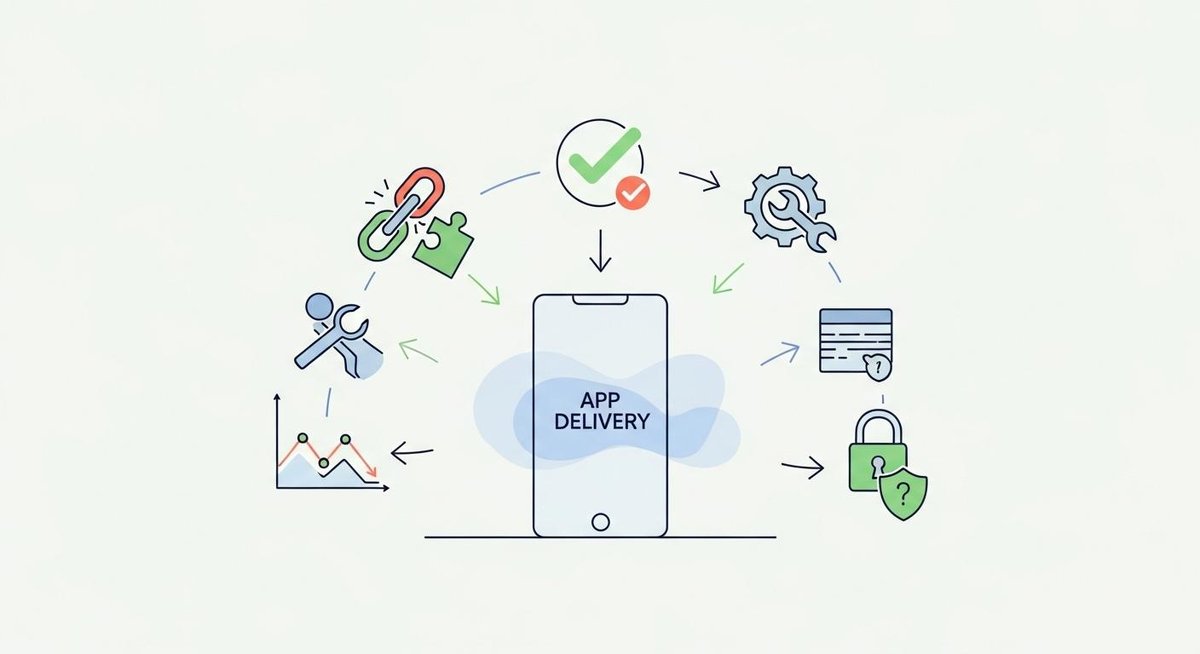
Agencies considering a CMS-driven approach often worry about vendor lock-in or platform limitations. When evaluating options, look for systems that support content portability through standard formats and provide robust export capabilities. Your content should remain accessible even if you eventually migrate platforms.
Performance represents another valid concern. App users expect instant responses, and a slow CMS backend creates poor experiences. Prioritize platforms with CDN integration, intelligent caching, and optimized API responses. Testing content delivery speeds under realistic load conditions should be part of your evaluation process.
Cost predictability matters for agency profitability. Some platforms charge per API call or content item, creating unpredictable expenses as client apps scale. Look for transparent pricing models that align with how you bill clients, making it easier to maintain healthy margins across your portfolio.
Future-Proofing Your Agency's App Delivery Capabilities

The app landscape continues evolving with new platforms, devices, and user expectations emerging constantly. A flexible CMS positions your agency to adapt without rebuilding infrastructure. When clients ask about delivering content to new channels, you can respond affirmatively because your content already exists in a platform-agnostic format.
Emerging technologies like augmented reality, voice interfaces, and IoT devices all consume content through APIs. Agencies built on solid CMS foundations can experiment with these channels for clients without significant additional investment, creating new service offerings and revenue streams.
The shift toward composable architectures—where businesses assemble best-of-breed services rather than monolithic platforms—makes CMS expertise increasingly valuable. Your agency becomes the integration expert who helps clients orchestrate their technology stack, with the CMS serving as the content hub connecting everything.
Making the Strategic Choice for Your Agency

Choosing a CMS for app delivery represents a strategic decision that affects your agency's capabilities for years. Evaluate platforms based on your specific client mix, technical team capabilities, and growth plans. Request demonstrations that show real multi-client scenarios, not just single-project use cases.
Consider starting with a pilot project that tests the platform under realistic conditions. Choose a client with complex requirements and tight timelines to truly stress-test the system. This approach reveals both platform capabilities and your team's learning curve before committing to a full migration.
The right CMS transforms how your agency delivers app experiences, making you more efficient, responsive, and capable of handling sophisticated client requirements. For digital and marketing agencies ready to scale their app delivery capabilities while maintaining quality across multiple clients, a modern, API-first CMS isn't just a good fit—it's essential infrastructure for sustainable growth.