How to Design Effective Content Models for Your CMS
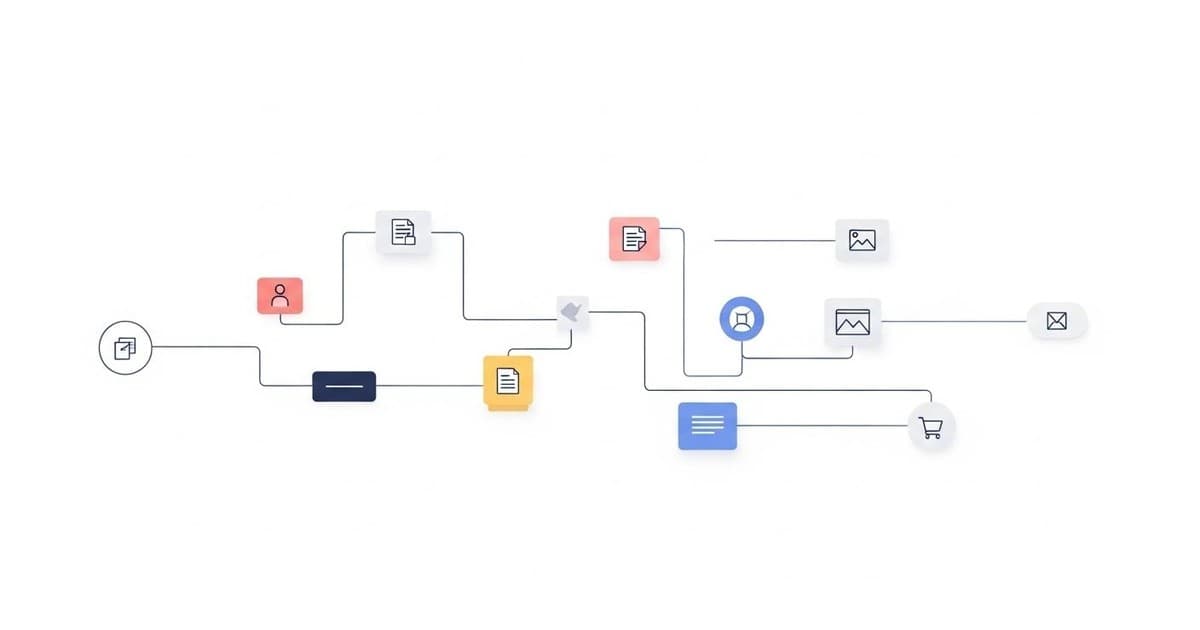
Effective content modeling starts with breaking down your content into structured, reusable components that work across all your digital channels. Instead of treating each page as a monolithic block, you create flexible building blocks that your team can mix, match, and repurpose—saving time while maintaining consistency.
We've seen countless businesses struggle with messy, inconsistent content that becomes harder to manage as they scale. The solution isn't more complex workflows or additional oversight—it's building the right foundation from the start.
What Content Models Actually Are

Think of a content model like a recipe. Just as a recipe breaks down a dish into specific ingredients and steps, a content model breaks down your content into individual fields and their relationships. Your "Blog Post" model might include fields for title, author, publication date, featured image, and body content—each with specific rules and formats.
This differs from page templates, which control how that structured content appears to users. The model is your data blueprint; the template is your presentation layer. When businesses evaluate the right time to implement a CMS, understanding this separation becomes crucial for long-term flexibility.
Why Content Modeling Transforms Your Business
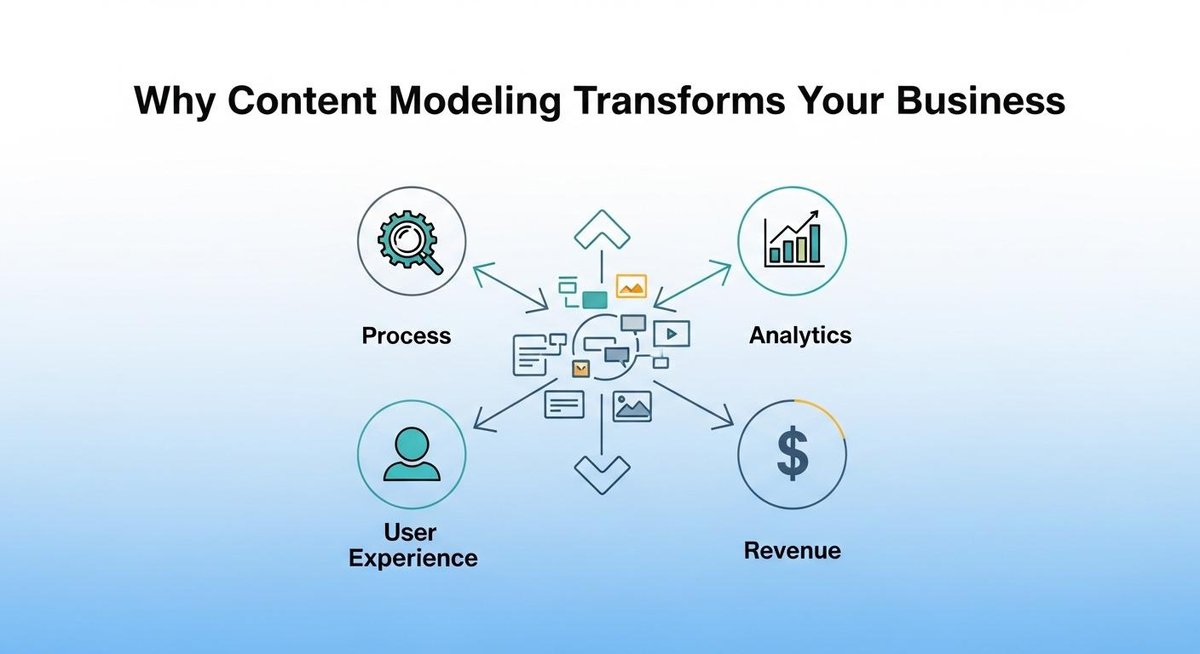
Proper content structure delivers immediate benefits that compound over time. Your brand messaging stays consistent across every touchpoint because editors work within predefined frameworks. Content reusability becomes effortless—create once, publish everywhere, whether that's your website, mobile app, or email newsletters.
More importantly, structured content directly improves your SEO performance. Search engines understand organized data better, and you can easily implement schema markup for rich snippets. Your content becomes more discoverable while requiring less manual optimization work.
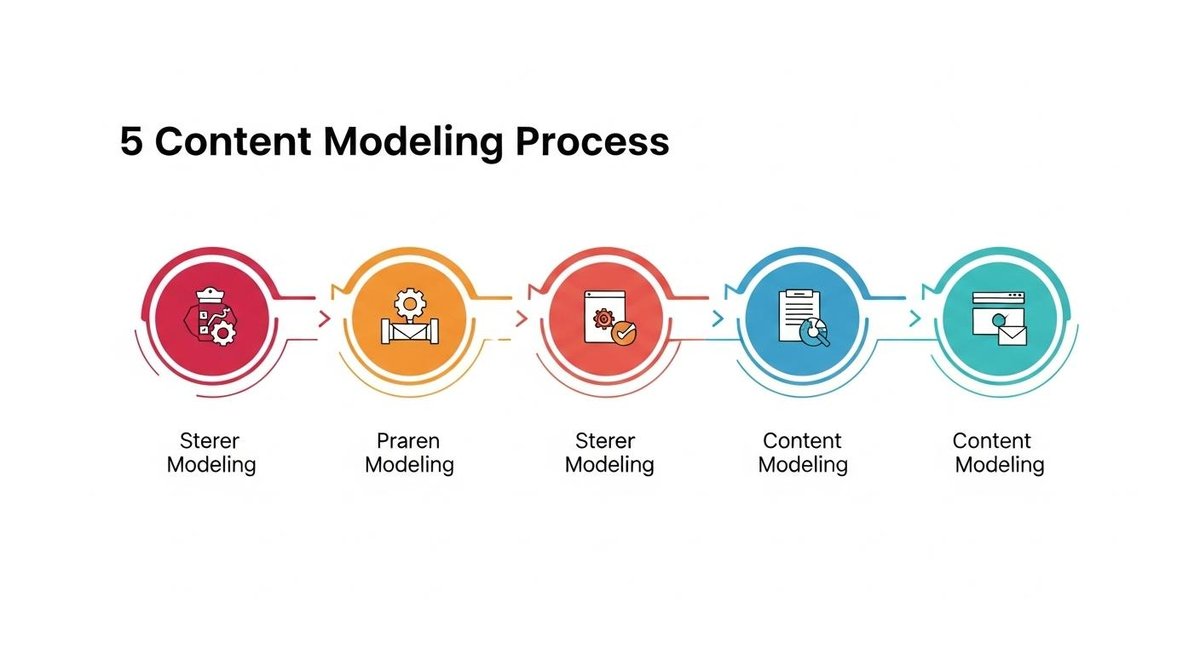
The 5-Step Content Modeling Process
1. Audit Your Existing Content
Before building anything new, catalog what you currently have. Document your most important pages, noting patterns in structure and content types. This inventory reveals gaps and opportunities while preventing you from recreating existing solutions.
2. Deconstruct Pages Into Components
Break down your designs into the smallest logical parts. A case study page might include client name, challenge description, solution overview, key results, testimonials, and featured images. Each component should serve a specific purpose and potentially work in other contexts.
3. Group Related Components
Organize your components into distinct content types. Articles, authors, products, events, and case studies each deserve their own model. This grouping helps you identify relationships and avoid redundancy while maintaining flexibility.
4. Define Fields and Validation Rules
Choose appropriate field types for each component—plain text for titles, rich text for descriptions, numbers for metrics, dates for scheduling, and references for relationships. Set character limits, required fields, and validation rules that guide editors toward best practices.
Modern agentic CMS solutions can even suggest optimal field configurations based on your content patterns, reducing setup time while improving structure quality.
5. Establish Content Relationships
Connect your content types logically. Articles reference authors, case studies link to testimonials, products connect to categories. These relationships enable dynamic content display and ensure consistency across your site.
Practical Example: Building a Case Study Model
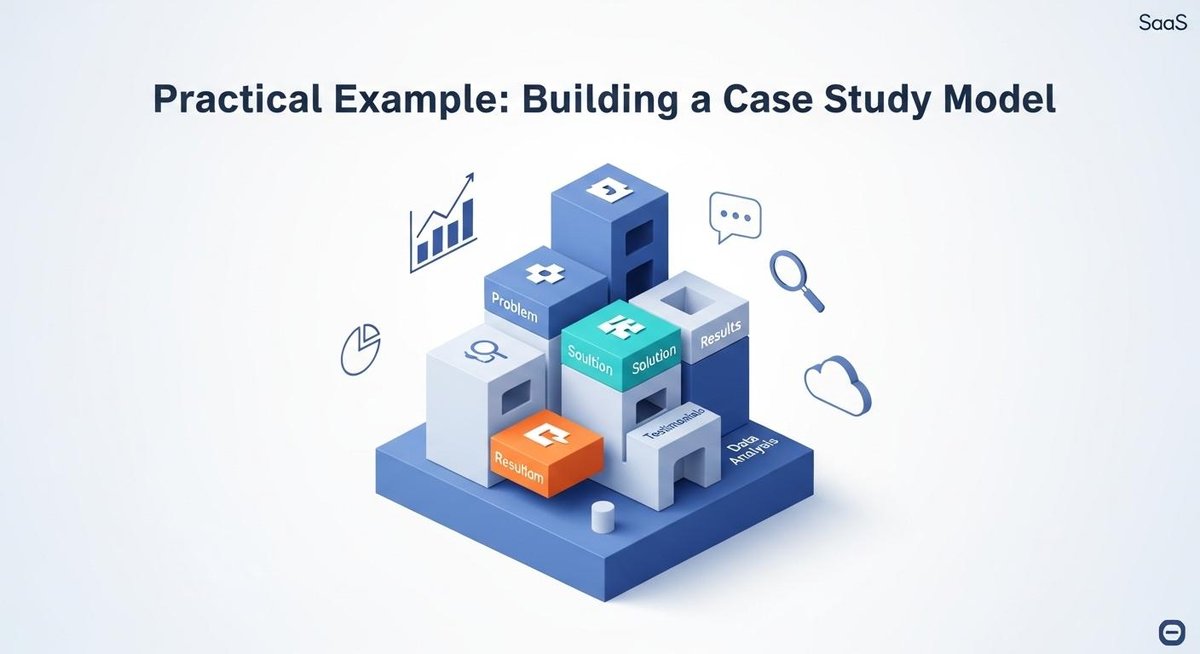
Let's model a case study page with these components:
- Client Name: Plain text field with 100-character limit
- Featured Image: Image field with alt text requirements
- Challenge: Rich text field for detailed problem description
- Solution: Rich text field explaining your approach
- Key Results: Repeatable component with number and label fields
- Testimonial: Reference field linking to separate testimonial model
The separate testimonial model includes quote text, attribution, and company fields. This separation allows testimonials to appear across multiple case studies without duplication.
Best Practices That Prevent Future Headaches

Design for reusability from day one. Think in content chunks rather than complete pages—this flexibility pays dividends when you need to repurpose content or redesign your site. Use clear, consistent naming conventions that your entire team understands.
Prioritize your editors' experience by grouping related fields logically and providing helpful guidance text. Avoid the temptation to create monolithic models that try to handle every variation—balance flexibility with simplicity.
Plan for evolution. Content models aren't set in stone, but changes become more complex as your content library grows. Consider how fields might be used differently in the future and build in appropriate flexibility.
Headless vs Traditional CMS Approaches

Headless CMS platforms make content modeling a first-class feature, with intuitive interfaces for defining fields and relationships. Traditional systems like WordPress achieve similar results through custom post types and advanced custom fields, though with more technical setup required.
The key difference lies in API-first design. Agentic CMS solutions excel here, automatically optimizing your content structure for multiple delivery channels while maintaining the flexibility that modern businesses demand.
Building Your Content Foundation

Effective content modeling creates the scalable foundation your business needs to grow efficiently. Start with your most important content types, refine based on real usage patterns, and expand systematically.
The investment in proper structure pays dividends through reduced maintenance overhead, improved editor productivity, and better user experiences. Your content becomes an asset that works harder across every channel.
Pick one important page on your current site and try deconstructing it into a content model on paper. You'll quickly see opportunities to improve consistency, reusability, and management efficiency—the first step toward content that truly scales with your business.


