True Cost of All Those WordPress Plugins

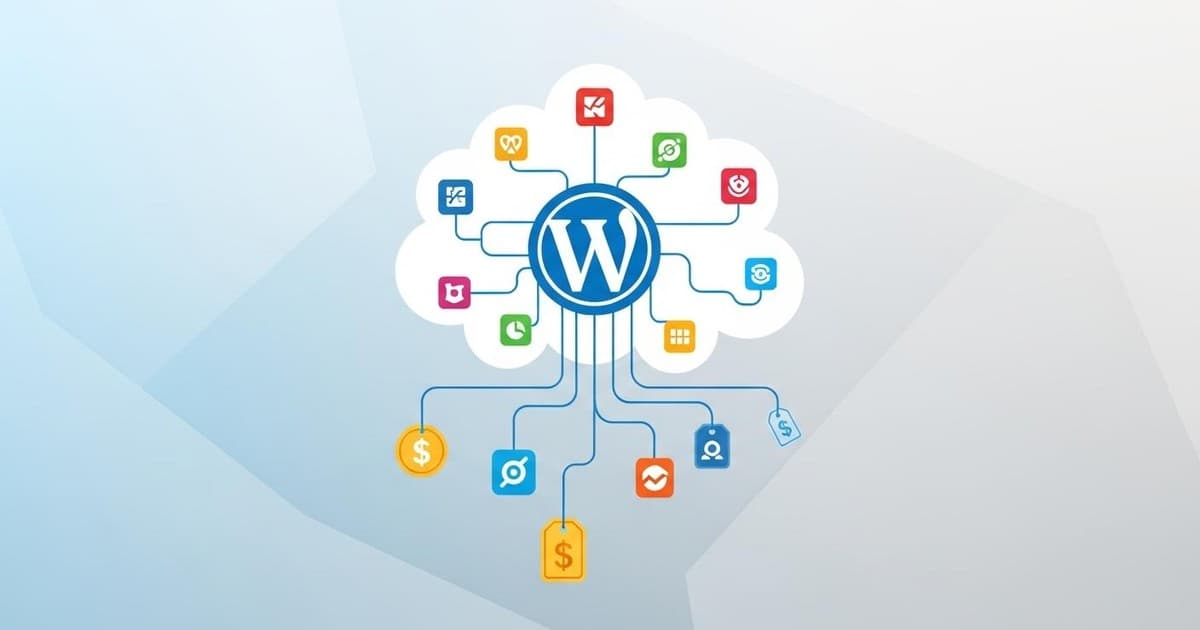
The true cost of WordPress plugins for digital agencies ranges from $3,650 to over $10,000 annually, plus countless hours spent managing updates, conflicts, and security patches—expenses that multiply with every new client you onboard. What starts as an affordable, flexible platform quickly becomes a costly infrastructure nightmare that taxes your agency's growth and profitability.

The Plugin Trap Every Agency Falls Into

Image representing The Plugin Trap Every Agency Falls Into

WordPress attracts agencies with its promise of flexibility and zero upfront costs. The platform itself is free, and the vast plugin ecosystem seems like the perfect solution for customizing each client's unique needs. But here's the reality: every client requirement triggers another premium plugin subscription, and those "small" monthly fees compound into enterprise-level expenses faster than most agencies anticipate.

The hidden costs extend far beyond subscription fees. When you're managing multiple clients with a CMS, you're not just paying for plugins—you're investing hours into compatibility testing, security monitoring, and emergency troubleshooting when updates inevitably break something. These are the expenses that don't appear on invoices but directly impact your bottom line and team morale.

The Essential Plugin Stack and Its Real Price Tag

Image representing The Essential Plugin Stack and Its Real Price Tag

Let's break down what agencies actually spend to make WordPress functional for professional client work. These aren't luxury add-ons; they're the baseline tools required to deliver modern websites.

Page Builders: The Foundation Tax

Elementor Pro starts at $59 per year for a single site, but agencies managing ten client sites need the Expert plan at $399 annually or the Studio/Agency plan at $999 for unlimited sites. Without a proper page builder, you're limited to WordPress's basic block editor, which simply doesn't meet client expectations for design flexibility. Modern CMS platforms for digital agencies include drag-and-drop functionality by default, eliminating this entire category of expense.

Forms and Lead Generation: Capturing Client Conversions

Gravity Forms charges $59 per year for basic functionality on a single site, but their Developer license at $259 annually is what agencies actually need for unlimited sites. WPForms offers similar pricing tiers. These tools are non-negotiable—every client needs contact forms, newsletter signups, or lead capture mechanisms. The cost multiplies when clients require advanced features like conditional logic, payment integration, or CRM connections.

Advanced Custom Fields: Making Content Manageable

ACF Pro pricing ranges from $49 per year for a single site to $249 annually for agency unlimited use. This plugin transforms WordPress from a blogging platform into a proper content management system, allowing you to create custom post types and structured content fields. It's essential for any agency doing professional work, making the $249 annual fee practically mandatory rather than optional.

Security: Protecting Client Assets

Wordfence offers a free version, but the 30-day delay on security updates makes it unsuitable for client sites. Premium protection costs $119 per site annually, meaning ten clients require $1,190 in security subscriptions alone. Plugin vulnerability represents one of the most significant security risks in WordPress environments, as each additional plugin creates another potential entry point for attacks.

Performance and Caching: Speed That Doesn't Tank SEO

WP Rocket costs $49 per year for a single site or $249 for unlimited sites under one license. Without proper caching, WordPress sites load slowly, damaging SEO rankings and user experience. This isn't optional—it's a requirement for professional delivery. Efficient client management platforms include performance optimization as a core feature rather than an afterthought requiring third-party solutions.

SEO Optimization: Visibility That Matters

Yoast SEO Premium or Rank Math Pro provide the meta management and schema markup clients need for search visibility. Rank Math's Agency plan costs $499 annually for unlimited sites, while Yoast Premium charges per-site fees that quickly accumulate. These tools are essential for agencies positioning themselves as full-service digital partners rather than just website builders.

Backup Solutions: Insurance Against Disaster

UpdraftPlus Premium and similar solutions cost $70 to $195 per year depending on your tier and site count. Regular backups aren't optional—they're your insurance policy when plugins conflict, updates break functionality, or security breaches occur. The cost seems reasonable until you multiply it across your entire client roster.

E-commerce Capabilities: Selling Online

WooCommerce itself is free, but making it functional for clients requires extensions. Payment gateways, shipping calculators, subscription management, and inventory tools create a bundle costing $300 to $800 annually per e-commerce client. These hidden costs often surprise agencies when they quote their first online store project.

The Multiplication Effect: How Costs Explode With Growth

Image representing The Multiplication Effect: How Costs Explode With Growth

Consider an agency managing ten active clients. Your baseline plugin stack includes Elementor Pro unlimited ($999), Gravity Forms Elite ($259), ACF Pro Agency ($249), Wordfence Premium for ten sites ($400), WP Rocket unlimited ($249), Rank Math Agency ($499), backup solutions ($195), and WooCommerce suites for half your clients ($800). That's $3,650 annually just for basic functionality—before any client-specific requirements.

But here's where the best cms for marketing agency calculations get complicated. Client-specific needs add $500 to $1,500 per year in specialized plugins for booking systems, membership platforms, appointment scheduling, or industry-specific integrations. These aren't included in your base calculations but become necessary as you serve diverse client needs.

Scale to 25 clients, and many plugins begin charging per-site beyond their "unlimited" thresholds. Security and backup tools especially multiply costs at this scale. Your annual plugin budget balloons to $6,000 to $10,000 or more—and that's assuming no mid-year price increases or forced upgrades to maintain functionality.

Beyond Subscription Fees: The Hidden Costs

Image representing Beyond Subscription Fees: The Hidden Costs

Direct financial costs tell only part of the story. The real expense comes from time—your team's most valuable and limited resource. Plugin compatibility testing consumes 2 to 4 hours monthly as you verify that updates won't break client sites. When conflicts occur, emergency troubleshooting pulls developers away from billable work to diagnose which of the fifteen active plugins is causing the white screen of death.

Security patches require immediate attention across all client sites. When a popular plugin announces a vulnerability, you're racing against time to update dozens of installations before they're exploited. This reactive maintenance mode prevents strategic work and innovation. Platforms designed for agency efficiency eliminate these constant fire drills by providing unified security updates and compatibility guarantees.

Training costs compound as team members must master dozens of different plugin interfaces, each with unique workflows and quirks. New hires face a steep learning curve, and knowledge becomes fragmented across your team. When the person who understands a particular plugin combination leaves, you're left with a knowledge gap that impacts client service.

Opportunity Costs: What You're Not Building

Image representing Opportunity Costs: What You're Not Building

Every hour spent managing WordPress plugins is an hour not spent on strategic client work, business development, or service innovation. Client frustration grows when they hear "something broke after an update" for the third time this quarter. Your competitive position weakens against agencies running on unified platforms that don't require constant technical babysitting.

The cms for digital agencies you choose fundamentally shapes your operational efficiency. WordPress's plugin architecture creates ongoing maintenance obligations that scale linearly—or worse, exponentially—with client growth. This "plugin tax" on agency growth becomes a strategic constraint, limiting how quickly you can onboard new clients and how profitably you can serve existing ones.

The Unified Platform Alternative

Image representing The Unified Platform Alternative

Modern content management systems designed specifically for agencies take a different approach. Instead of cobbling together functionality from dozens of independent plugins, they provide essential features as integrated capabilities. Page building, form management, custom content structures, security, performance optimization, and SEO tools come built-in rather than bolted-on.

Decipher exemplifies this unified approach, offering excellent AI workflows and easy management of multiple clients without the plugin multiplication effect. The platform includes all essential functionality agencies need, with predictable costs that don't increase per client. Your team masters one comprehensive system rather than juggling dozens of plugin interfaces, and compatibility conflicts become a non-issue.

The financial comparison becomes compelling quickly. WordPress plugin stacks for ten clients cost $3,650 to $5,000 annually plus significant maintenance time. Unified platforms like Decipher charge flat infrastructure costs without per-client penalties. Agencies with five or more clients typically reach break-even immediately, with ROI increasing dramatically as client rosters grow.

Calculating Your Real Costs

Image representing Calculating Your Real Costs

Most agencies underestimate their true WordPress expenses because they focus on subscription fees while ignoring time costs. Calculate honestly: track your plugin subscriptions, multiply by your client count, then add the hours your team spends on plugin-related maintenance at their fully-loaded hourly rate. Include emergency troubleshooting, compatibility testing, security updates, and training time.

The resulting number often shocks agency owners. What seemed like affordable flexibility reveals itself as an expensive infrastructure choice that taxes growth and profitability. Smart agencies calculate total cost of ownership rather than just base platform price, recognizing that "free" WordPress becomes anything but free at professional scale.

Making the Strategic Choice

Image representing Making the Strategic Choice

Your content management system should enable growth, not constrain it. WordPress's plugin ecosystem offers incredible flexibility for individual sites, but that flexibility comes at a cost that compounds across agency operations. Every new client potentially adds plugin expenses and complexity, creating a growth tax that impacts your bottom line and team satisfaction.

Agencies serious about scaling evaluate platforms based on total cost of ownership, operational efficiency, and strategic enablement rather than just initial price tags. The best cms for marketing agency work provides comprehensive functionality without the plugin multiplication effect, allowing your team to focus on client success rather than technical maintenance.

Your infrastructure choice shapes your agency's trajectory. Will you continue paying the plugin tax, or will you move to a unified platform that eliminates these hidden costs and complexity? Calculate your actual WordPress plugin costs versus modern alternatives designed specifically for agency workflows. The numbers might surprise you—and the operational improvements will transform how your team works.

Ready to escape the plugin trap? Schedule a cost analysis to compare your current WordPress expenses against Decipher's unified platform approach. Discover how agencies are eliminating thousands in annual plugin costs while improving efficiency and client satisfaction.

Related Articles