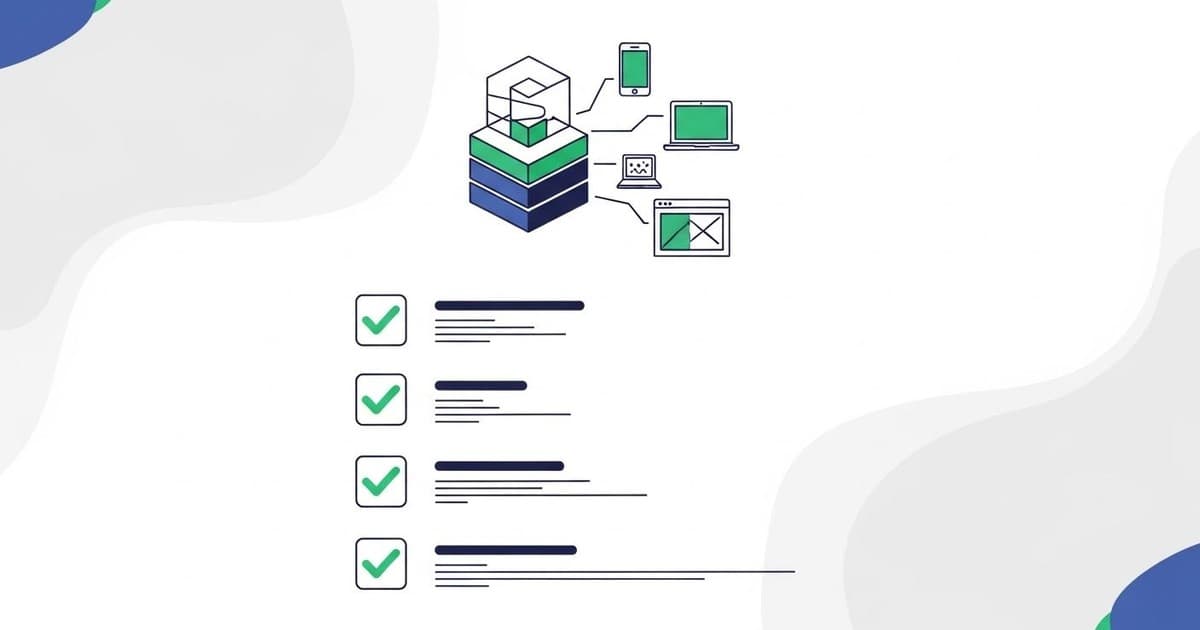
The Headless CMS Checklist for Developers
Choosing the right headless CMS requires evaluating API architecture, content modeling flexibility, developer tooling, framework compatibility, security features, and extensibility—all while ensuring the platform won't create technical debt or frustrate your team. Most developers learn this the hard way after their third platform migration.
Headless CMS promises flexibility, but that promise rings hollow when you're debugging undocumented API quirks at 2 AM. The truth? Not all headless platforms are created equal, and the wrong choice creates years of technical debt.
API Architecture: The Foundation Everything Depends On
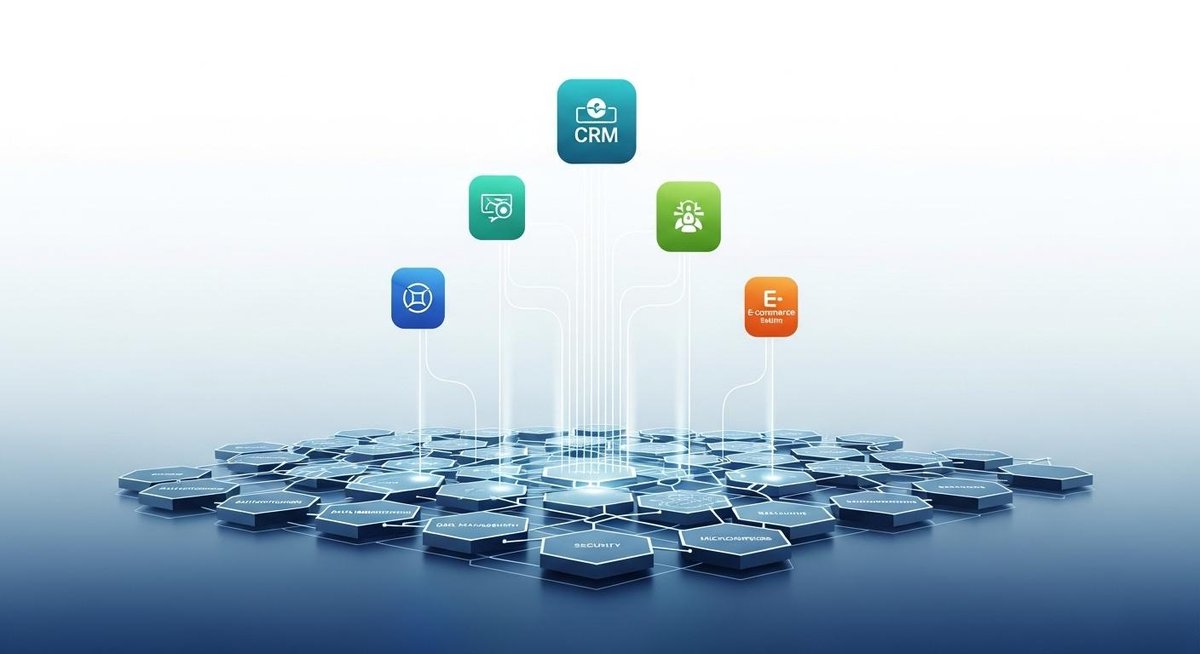
Your headless CMS lives or dies by its API quality. Poor API design means every feature takes twice as long to implement and debugging becomes archaeological excavation.
Look for RESTful APIs with consistent patterns, predictable error handling, and transparent rate limiting. Versioned APIs save you from breaking changes that destroy production deployments. But here's what separates good from great: native GraphQL support that actually works.
Not a REST wrapper pretending to be GraphQL. Real GraphQL with efficient querying, schema introspection, and real-time subscriptions. Response times under 100ms aren't optional—they're the baseline for modern applications. CDN-backed API delivery ensures global performance without custom infrastructure headaches.
SDK support matters more than vendors admit. Official SDKs for JavaScript, TypeScript, Python, and PHP mean you're building features, not reinventing HTTP clients. Strong TypeScript support with generated types turns your IDE into a productivity multiplier.
Content Modeling Without the Complexity Tax
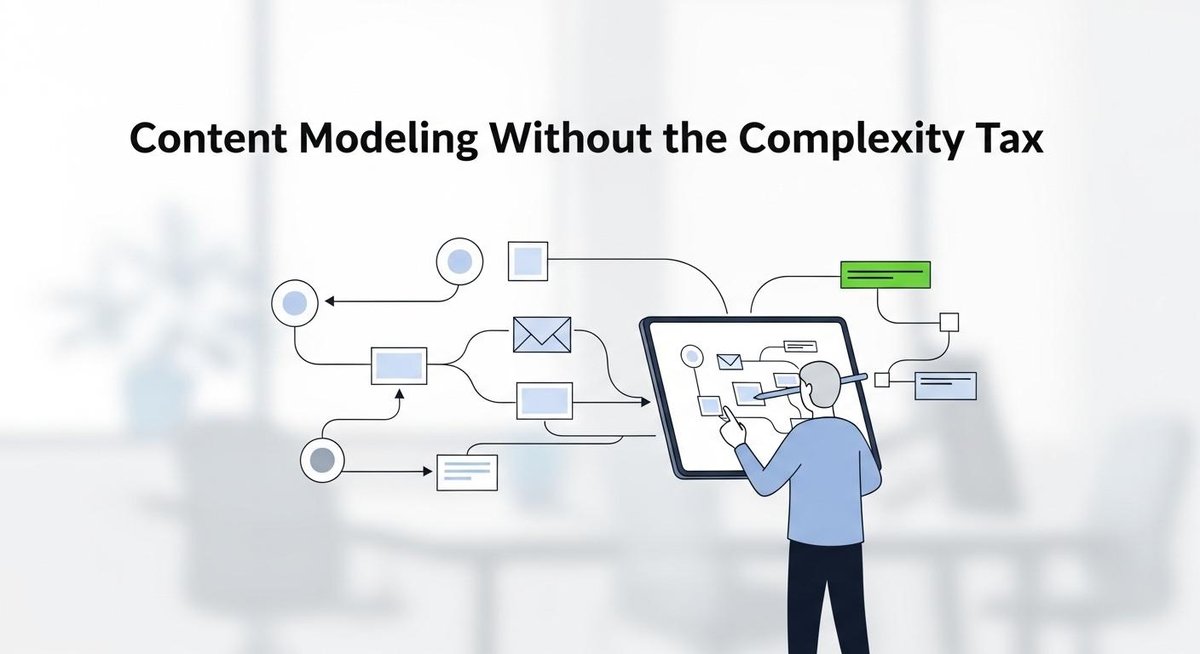
Content modeling flexibility determines whether your CMS adapts to your needs or forces you into its box. Unlimited custom content types sound basic, but many platforms hide artificial limitations in the fine print.
You need comprehensive field types beyond text and images—JSON fields, rich text, dates, booleans, and media. Custom validation rules at the field level prevent bad data before it reaches your application. Conditional fields based on other values create intuitive content experiences without custom code.
Content relationships—one-to-one, one-to-many, many-to-many—should handle circular references gracefully. Deep population of related content in queries eliminates the N+1 problem that kills performance. Reference integrity and cascade options prevent orphaned content disasters.
Composable content blocks enable modular components for flexible layouts. Reusable blocks across content types mean content teams build once, use everywhere. Version control for component changes protects you from "who broke the homepage" incidents.
Developer Experience: Where Good Platforms Become Great
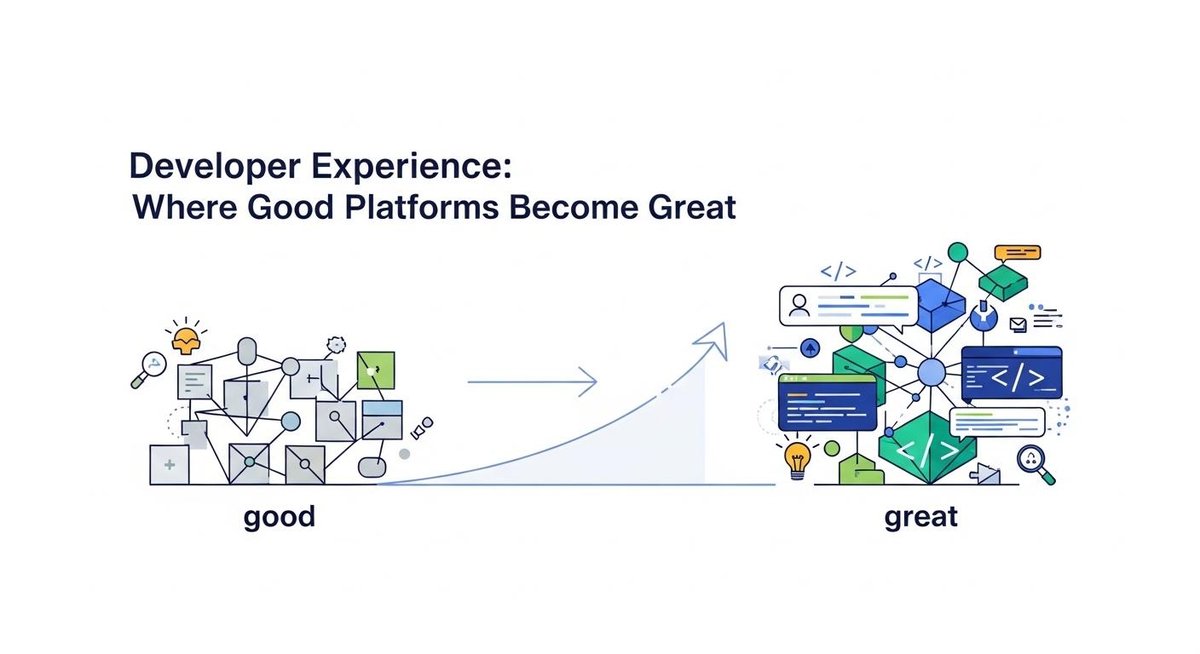
Developer experience isn't luxury—it's the difference between shipping features and fighting your tools. Docker support creates consistent dev environments that actually match production. Seed data and content fixtures make testing realistic instead of aspirational.
CLI tools for common operations, content model migrations, and bulk operations separate modern platforms from legacy systems. Infrastructure as code approaches let you version control your content models like the critical infrastructure they are.
Git-based workflow support and schema migration management turn deployment from ritual to routine. Rollback capabilities for content model changes save projects when experiments go wrong.
Documentation quality reveals platform maturity. Comprehensive, searchable docs with interactive API playgrounds and code examples in multiple languages mean you're learning, not guessing. TypeScript support with type generation from content models provides autocomplete and IntelliSense that prevents bugs before they exist.
Framework Compatibility: True Flexibility or Marketing Speak?

Framework agnostic means working with React, Vue, Angular, Svelte—whatever your project demands. No framework lock-in. Real SSR and SSG compatibility, not theoretical support that breaks in production.
JAMstack optimization requires build hook integrations with Netlify, Vercel, and similar platforms. Incremental Static Regeneration support and preview deployments for content changes make static sites dynamic. Modern React patterns like Server Components and Next.js 13+ App Router compatibility matter for agencies building cutting-edge projects.
Mobile framework support—React Native, Flutter, native iOS/Android SDKs—extends your content everywhere. Cross-platform content delivery without platform-specific workarounds separates real headless from "headless-ish."
Decipher delivers true frontend agnosticism, optimized for modern React and Next.js workflows while supporting any framework or custom build. For agencies, this means working with each client's existing tech stack instead of forcing migrations.
Content Preview: The Feature Content Teams Actually Use

Real-time preview of content changes before publishing sounds obvious, but implementation quality varies wildly. Preview in actual frontend context—not just CMS mockups—shows content teams what they're actually creating.
Multiple preview environments for dev and staging prevent "works in preview, breaks in production" surprises. Shareable preview URLs for stakeholders eliminate endless screenshot emails. Draft and published state management with scheduled publishing gives content teams autonomy.
Content versioning and history with rollback capabilities protect against accidental deletions. Multi-user collaboration with real-time editing, conflict resolution, and user presence indicators prevent the "someone saved over my changes" chaos.
Customizable approval workflows with role-based publishing permissions and audit trails support compliance requirements without developer intervention. Decipher balances developer control with content team autonomy—developers set the guardrails, content teams work independently.
Media Management: Beyond Basic File Storage
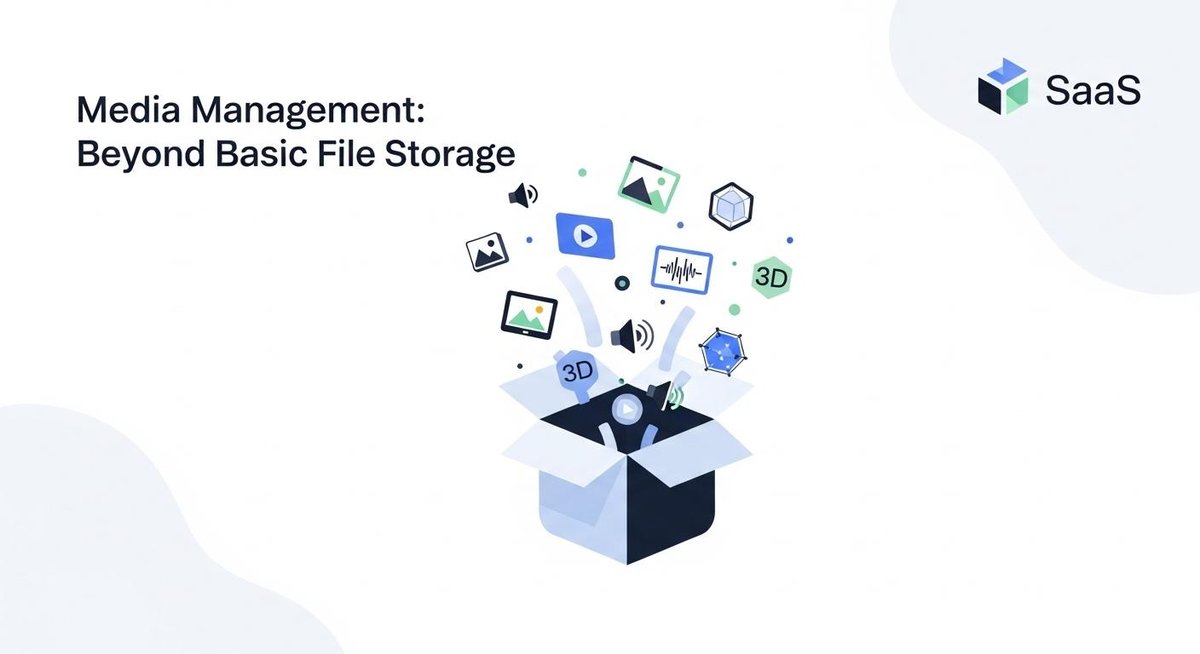
Asset management with folders, tags, search, and metadata seems basic until you're managing thousands of images across dozens of clients. Usage tracking shows where assets are used, preventing "can I delete this?" anxiety.
Automatic image optimization, responsive image generation, and format conversion to WebP and AVIF eliminate manual optimization workflows. CDN delivery with transformation parameters means images load fast globally without custom infrastructure.
Video hosting or platform integration, audio file support, and document management handle rich media content. Integration with external DAM systems like Cloudinary or Imgix provides flexibility for existing workflows. Decipher offers comprehensive media management built-in while supporting external DAM integration when needed.
Deployment Architecture: Control Without Complexity
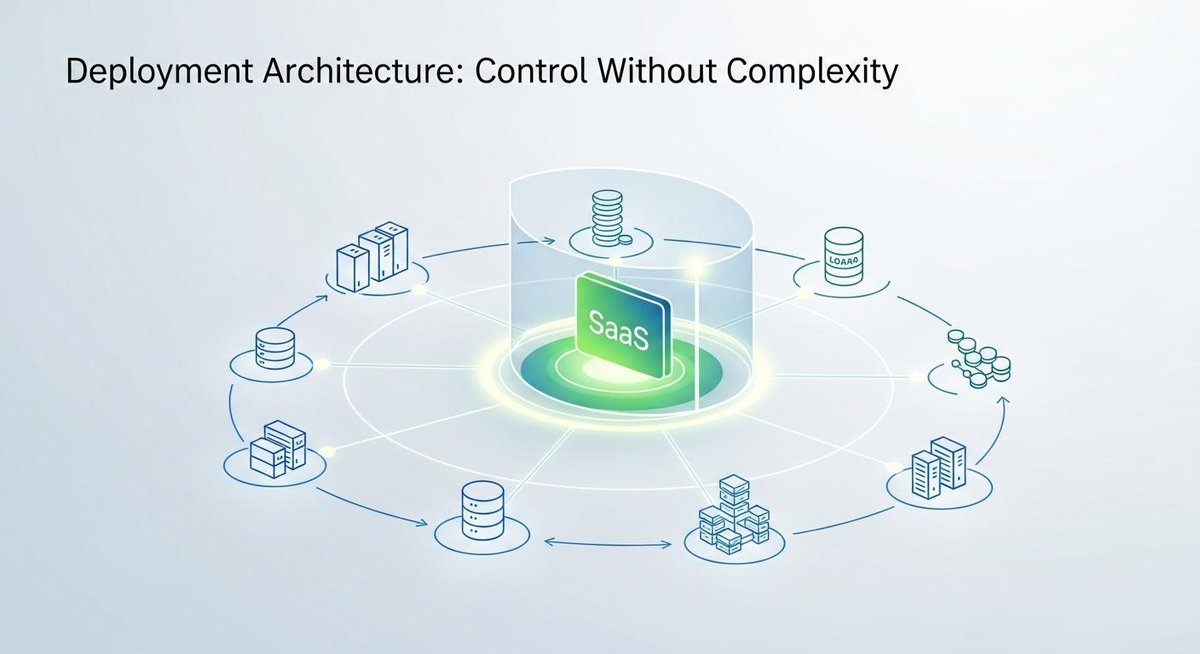
Self-hosting options provide full control over infrastructure, costs, and data residency. Docker containerization and Kubernetes deployment patterns support modern DevOps workflows. Infrastructure as code with Terraform or CloudFormation makes deployments repeatable.
Cloud provider flexibility—AWS, GCP, Azure—prevents vendor lock-in. Multi-region deployment and edge computing integration support global audiences. Horizontal scaling, load balancing, and caching layer architecture handle growth without rewrites.
CI/CD integration through webhooks, API automation, and deployment pipeline support turns content changes into automated deployments. Blue-green deployment support enables zero-downtime updates. For agencies managing multiple clients, Decipher's self-hosted option provides control and favorable economics while supporting any cloud provider.
Security: Non-Negotiable Foundations

JWT or OAuth 2.0 authentication with fine-grained RBAC provides secure, flexible access control. API key management and SSO integration support enterprise requirements. Encryption at rest and in transit protects data throughout its lifecycle.
Rate limiting, DDoS protection, CORS configuration, and webhook signature verification defend against attacks. IP whitelisting adds another security layer when needed. GDPR compliance tools, data residency options, and audit logs support regulatory requirements.
Decipher provides enterprise-grade security with self-hosted options for complete control. Granular permissions support agency multi-client needs where each client requires isolated access.
Extensibility: Building Beyond the Box
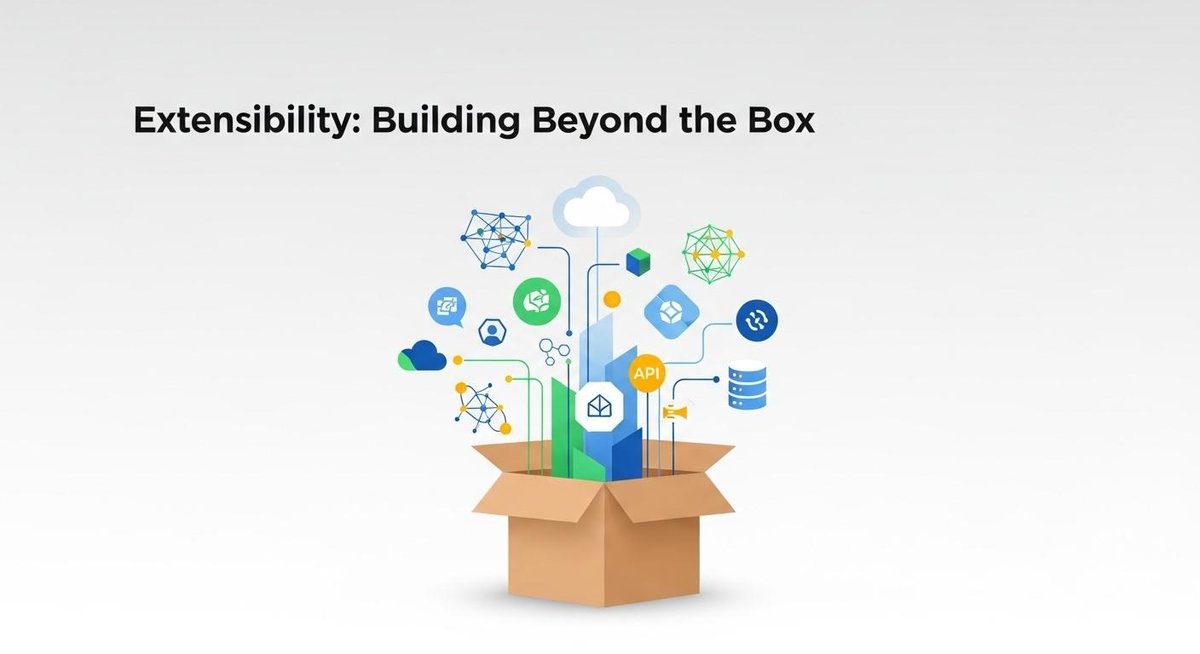
Plugin systems with custom functionality extensions and hook systems enable custom logic without core modifications. Configurable webhooks with retry logic and failure handling integrate external systems reliably.
Pre-built integrations for common services—e-commerce platforms, marketing automation, analytics tools—accelerate implementation. Custom field types with UI components and validation logic extend the platform to unique requirements.
Decipher's composable architecture and API-first design enable any integration. Common integrations come pre-built, while developers extend functionality without touching core code.
AI Capabilities: Future-Proof or Buzzword?

Native AI content generation and optimization separate platforms built for the future from those bolting on features. Intelligent workflow automation and machine learning for content recommendations improve over time.
Full-text search across content with faceted search and relevance tuning makes content discoverable. Multi-language content management with translation workflows and locale-specific variants support global audiences. Decipher embeds AI intelligence throughout developer and content workflows—not as afterthought features but as core capabilities.
Cost Structure: The Hidden Deal-Breaker

Pricing transparency with no hidden per-API-call charges prevents budget surprises. Reasonable rate limits for typical use and growth-friendly pricing support scaling. Free or low-cost development environments with staging included enable proper testing.
For agencies, multi-workspace support without multiplying costs makes or breaks profitability. White-label options and reseller programs support agency business models. Decipher's pricing avoids per-seat or per-client penalties that punish agency success, with self-hosted options providing ultimate cost control.
Making the Decision: Essential vs. Nice-to-Have

Essential features include API quality, content modeling flexibility, framework compatibility, and security. Important features cover developer experience, preview capabilities, and extensibility. Nice-to-have features include specific integrations and advanced capabilities for special use cases.
Consider your technical team's expertise, content team's sophistication, and whether you're managing multiple clients or single projects. Performance and scale requirements guide infrastructure decisions.
Decipher provides headless flexibility without abandoning content teams, API-first architecture for developers with AI-powered workflows for content teams, and multi-client architecture without cost penalties. Modern development workflows meet production-ready features, balancing developer control with operational simplicity.
Red flags to avoid: poor documentation, abandoned projects, pricing that punishes scale, vendor lock-in through proprietary patterns, security issues, non-responsive support, and framework limitations that constrain architecture. The right headless CMS adapts to your needs. The wrong one forces you into its limitations for years.


