
Optimizing Your Product Pages for ChatGPT Shopping
Optimizing your product pages for ChatGPT Shopping requires structured semantic data, natural language descriptions, and machine-readable formats that AI can parse contextually—a dual optimization challenge that goes far beyond traditional SEO tactics. The search revolution is here, and your clients' e-commerce sites either speak AI's language or they don't exist in the conversation.
Traditional product pages built for Google won't cut it anymore. ChatGPT doesn't crawl meta descriptions and count keyword density. It reads context, understands problems, and matches solutions to shoppers conversationally. Your agency needs to master this now, before the competitive window closes.
How ChatGPT Shopping Actually Reads Product Information

ChatGPT Shopping doesn't work like Google. It needs semantic richness, not just structured fields. While your Google Product Feed demands SKUs, prices, and availability status, ChatGPT craves contextual understanding about how products solve real problems.
Think about it: when someone asks ChatGPT "What's the best laptop for video editing under $2000?", the AI isn't matching keywords. It's interpreting use cases, understanding performance requirements, and making contextual recommendations based on semantic relationships between product attributes and customer needs.
This creates the dual optimization challenge. Your product pages must satisfy Google's structured data requirements AND provide the natural language context that AI shopping assistants need to recommend products confidently. Most agencies are still optimizing for 2015 Google. That's a problem.
The Semantic Data Layer AI Assistants Demand
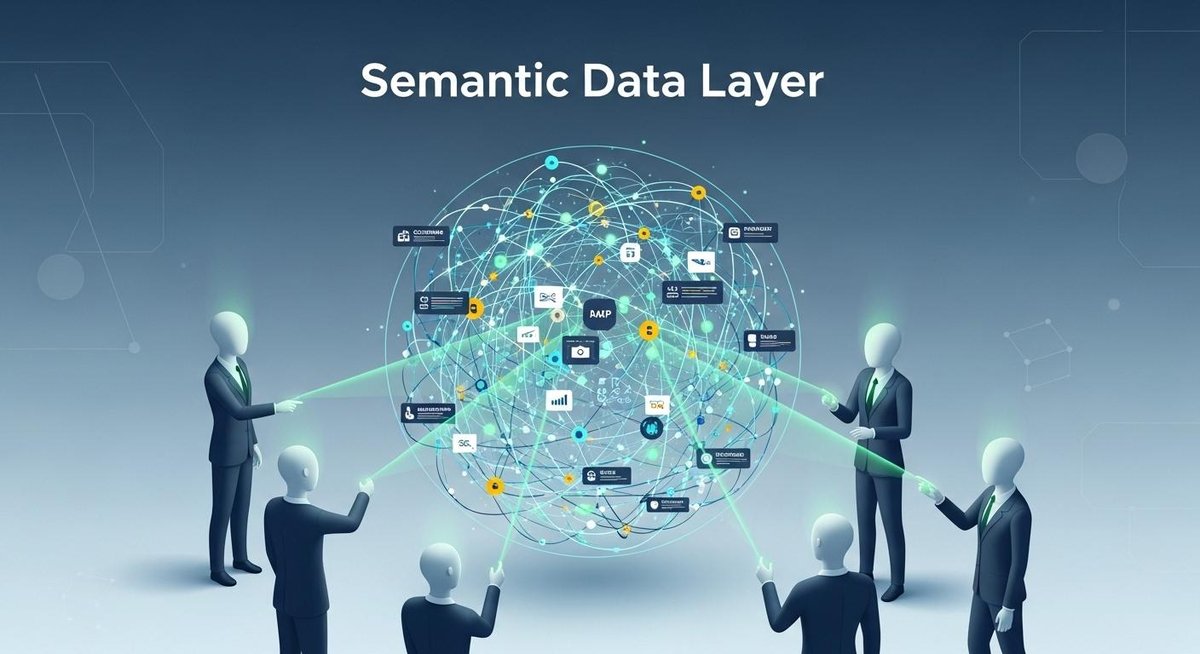
AI shopping requires comprehensive product descriptions written in natural language that answer questions conversationally. Not keyword-stuffed paragraphs. Not bulleted spec lists. Actual explanations of what problems the product solves, who it's for, and why it matters.
Your product pages need use case scenarios embedded directly in the content. "This standing desk works perfectly for home offices with limited space" gives ChatGPT context it can match to user queries. "Adjustable height desk, 48 inches" doesn't.
The challenge for agencies managing multiple clients with different product catalogs is scale. Creating this semantic richness manually for hundreds or thousands of products across multiple e-commerce sites isn't realistic. You need automation that understands both traditional SEO and AI-native optimization simultaneously.
Why Traditional Product Page Workflows Fail for AI Shopping

Most content management systems force you to choose: optimize for Google or optimize for AI. You're manually creating product descriptions, then reformatting them for product feeds, then hoping ChatGPT can make sense of what you've built.
That workflow made sense when Google was the only game in town. Now it's a bottleneck. Every hour your team spends manually optimizing product pages for AI discovery is an hour your competitors are launching more products, faster.
The agencies winning this race have systems that generate both optimization layers from a single input. Create the product data once, output Google-compliant feeds and ChatGPT-ready semantic content automatically. No duplicate work. No manual reformatting.
Decipher's Intelligent Product Page Generation

Decipher creates ChatGPT-optimized product pages in minutes, not hours. Input basic product specifications, and the platform's AI workflows generate comprehensive descriptions with natural language context, use case scenarios, and semantic richness that AI shopping assistants can interpret and recommend.
Simultaneously, Decipher ensures Google Product Feed compliance with all required structured fields—price, availability, GTINs, categories, everything Google demands. One workflow, dual optimization. No manual reformatting between systems.
This matters enormously for agencies. You're not managing one product catalog. You're managing dozens across different clients, industries, and seasonal inventory cycles. The ability to launch hundreds of ChatGPT-ready product pages in days instead of months creates competitive separation.
For agencies dealing with the limitations of other CMS platforms, this speed difference is transformational. Your team stops being content production bottlenecks and starts being strategic advisors who deliver measurable AI shopping visibility.
The Dual-Feed Optimization Architecture
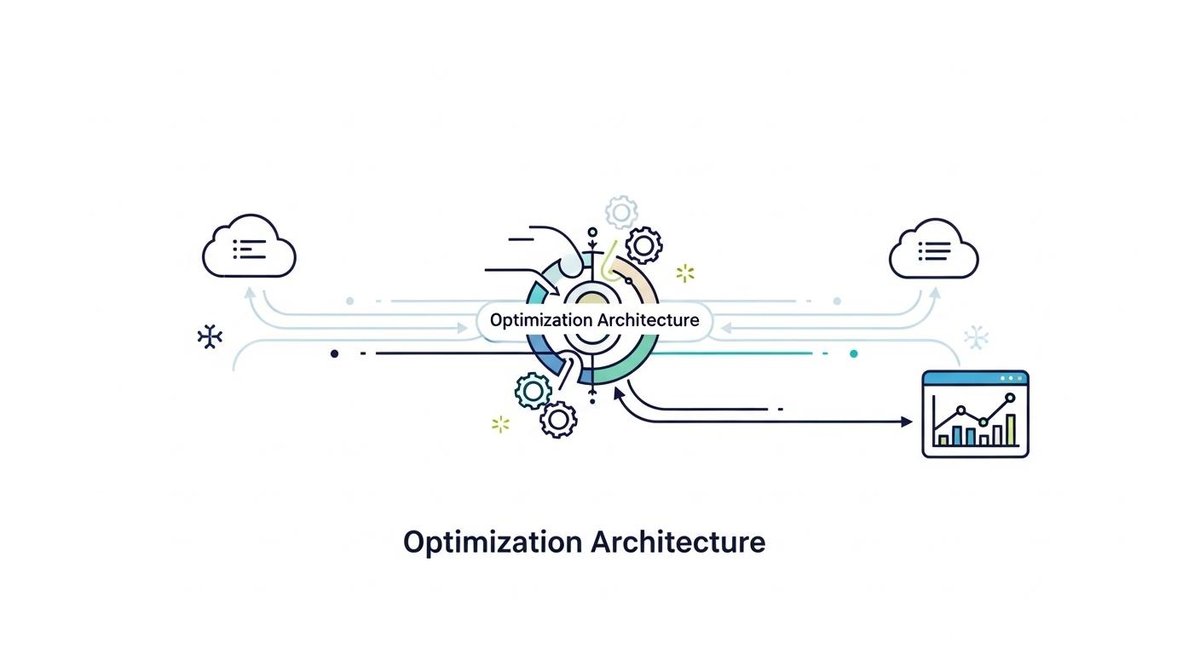
Here's what Decipher automates that your team currently does manually: the Google Product Feed layer with structured data fields, and the ChatGPT semantic layer with natural language descriptions and problem-solving context.
The Google layer handles the technical requirements—structured data markup, JSON-LD schemas, product availability feeds. Everything that makes products discoverable in traditional search and Google Shopping.
The ChatGPT layer adds semantic richness—conversational descriptions, use case framing, customer benefit language that AI can interpret when making recommendations. This is what makes products actually recommendable, not just discoverable.
Most agencies are building these layers separately, if they're building the AI layer at all. That's why they're slow. Decipher generates both from single product inputs, which means your team moves at AI speed while competitors are still manually writing product descriptions.
Speed to Market Creates Unfair Advantages

The agencies that win in AI shopping are the ones who get their clients' products ChatGPT-ready first. Early visibility in AI recommendations compounds. Products that ChatGPT learns to recommend early become the default suggestions, creating momentum that's hard for competitors to overcome.
Seasonal inventory is the perfect example. If you can optimize hundreds of holiday products for ChatGPT discovery in September while competitors are still manually creating pages in November, you capture the entire early shopping season.
New product launches become AI-discoverable immediately, not weeks later after manual optimization. Update entire catalogs for evolving AI shopping requirements without page-by-page editing. This operational speed translates directly into client revenue.
The efficiency gains from AI-powered workflows mean your agency can serve more clients without proportionally increasing headcount. That's how you scale profitably while maintaining quality.
Future-Proofing E-Commerce Beyond ChatGPT

ChatGPT Shopping is just the beginning. Every major tech platform is building AI shopping assistants. Google's SGE, Amazon's Rufus, emerging AI commerce platforms—they all need the same semantic structure.
Optimize for ChatGPT's requirements today, and you're positioned for every AI shopping assistant launching tomorrow. The semantic product data architecture that makes products ChatGPT-discoverable works across all AI recommendation engines.
This isn't a temporary tactic. This is fundamental infrastructure for the next decade of e-commerce. Products without semantic richness will become progressively invisible as AI shopping adoption increases. Products optimized for AI discovery will capture exponentially more traffic.
Measurable Business Impact for Your Clients

AI-referred traffic converts higher because users arrive with intent. When ChatGPT recommends a product, it's already matched the solution to the customer's specific problem. These aren't cold browsers—they're warm prospects.
Increased discoverability in AI-powered recommendations supplements paid advertising with organic AI discovery. Your clients reduce cost-per-acquisition while increasing total addressable traffic. That's the ROI conversation that wins renewals.
The competitive moat matters too. Clients who achieve superior AI shopping presence early create advantages that compound. They become the default recommendations in their categories, making it exponentially harder for competitors to displace them.
The AI Shopping Race Has Already Begun

Your competitors are either optimizing for ChatGPT Shopping right now or they're falling behind. There's no middle ground. AI shopping represents a fundamental shift in product discovery, and agencies that master dual optimization today will dominate their markets tomorrow.
The question isn't whether AI shopping will matter—it already does. The question is whether your agency has the infrastructure to optimize client product catalogs at the speed and scale this moment demands.
Decipher makes dual optimization effortless and scalable. Create product pages optimized for traditional search and AI shopping simultaneously. Launch faster, serve more clients, deliver measurable AI shopping visibility that translates into revenue.
See how Decipher creates ChatGPT-optimized product pages in minutes. Schedule an e-commerce demo and discover why forward-thinking agencies are choosing platforms built for AI shopping, not retrofitted from the pre-AI era.


