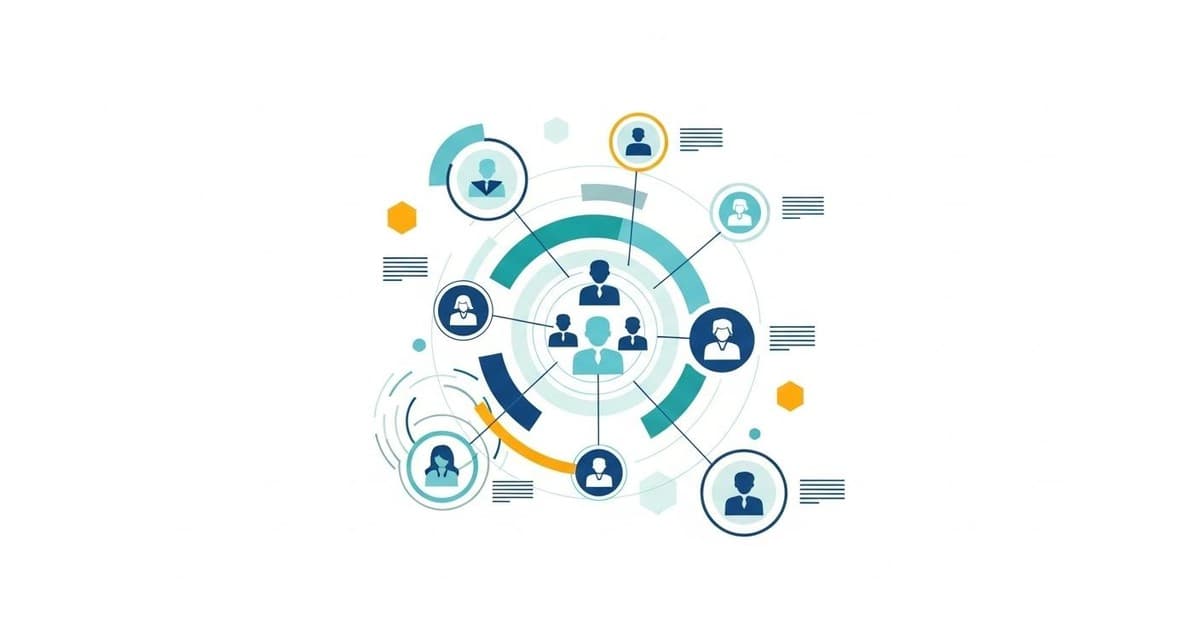
Managing Team Roles and Limitations with Decipher CMS
Managing team roles and limitations with Decipher CMS gives digital agencies granular control over who accesses what, preventing security breaches while controlling AI costs through hierarchical permissions, project-based isolation, and usage caps. Most agencies discover this the hard way: a junior writer accidentally publishes to the wrong client's site, or AI token costs spiral because everyone has unlimited access.
Wrong permissions don't just create awkward conversations. They destroy client trust and agency margins.
The Real Cost of Poor Access Control

Growing agencies face a brutal reality: the tools that worked for five people collapse under fifteen. Team members stumble into client projects they shouldn't see. Freelancers access sensitive strategy documents. Junior staff accidentally publish unfinished content.
The conventional CMS approach treats permissions as an afterthought. Binary choices: admin or not admin. All or nothing. This works until it spectacularly doesn't.
Security risks multiply with every new team member. Workflow chaos becomes the norm when anyone can approve anything. Client confidentiality evaporates when project boundaries don't exist. These aren't theoretical problems—they're Monday morning emergencies.
Four-Tier Permission System That Actually Works
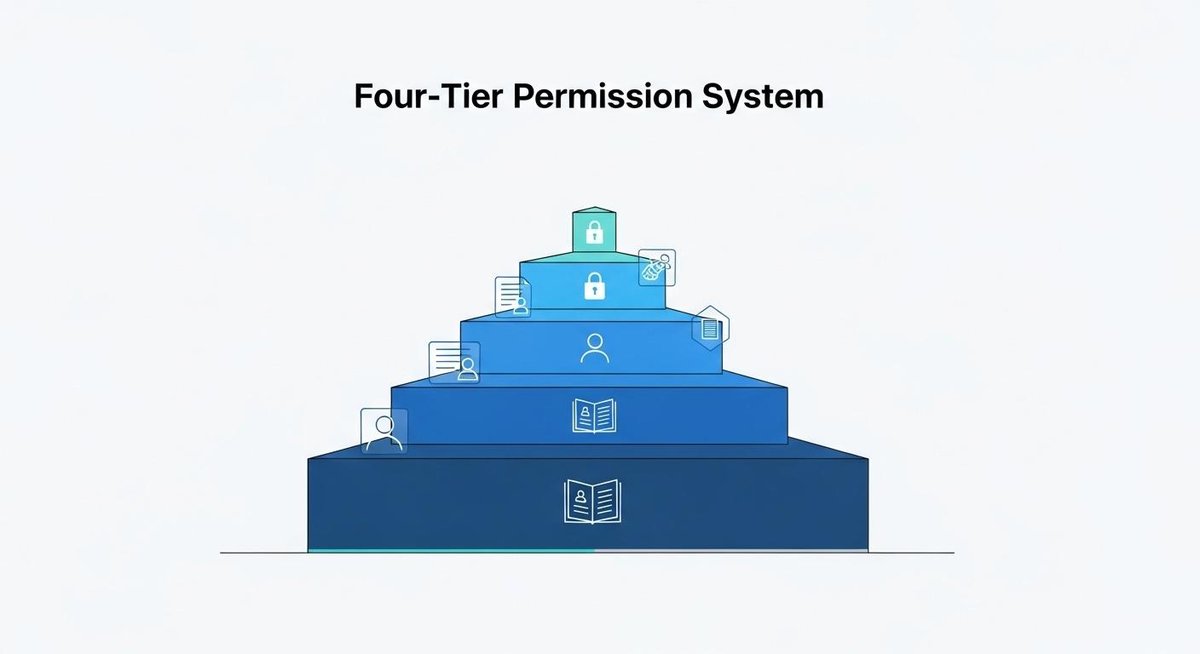
Decipher implements a hierarchical role structure designed specifically for agency operations. Four distinct levels create clear boundaries without bureaucratic overhead.
Admin: The Strategic Layer
Admins control the entire platform: billing, workspace creation, team management, and infrastructure decisions. This role belongs to senior leadership who need visibility across all clients and costs. They're not managing daily content—they're managing the business.
Limit admin access ruthlessly. Every additional admin dilutes accountability and increases security exposure.
Publisher: The Quality Gate
Publishers approve and publish content across assigned clients. This role fits account managers and senior content strategists who ensure quality before anything goes live. They see the big picture for their clients but can't accidentally break the entire platform.
Publishers bridge strategy and execution. They're your quality control layer, and essential features that boost agency efficiency depend on this role functioning properly.
Editor: The Workflow Engine
Editors modify content and manage workflows within specific projects. Content strategists and senior writers live here. They shape content and guide processes but can't publish independently. This prevents premature publication while maintaining workflow velocity.
The editor role eliminates bottlenecks without sacrificing control. Content moves forward without waiting for publisher approval at every micro-step.
Writer: The Creation Layer
Writers create content without publishing capabilities. Freelancers, junior staff, and specialized contributors operate at this level. They focus entirely on creation, never worrying about accidentally pushing something live.
This isn't about trust—it's about focus. Writers write. Publishers publish. Role clarity eliminates anxiety and mistakes.
Project-Based Team Isolation for Client Confidentiality

Generic user management assumes everyone should see everything. Agency reality demands the opposite: strict client workspace silos that prevent cross-contamination.
Decipher assigns team members to specific client projects only. A freelancer working on Client A never sees Client B's content, strategy, or even project existence. This isn't just professional—it's contractually essential.
Accidental leaks between competing clients end agency relationships. Project isolation prevents these career-ending mistakes before they happen.
Dynamic Team Structures Without Chaos
Account managers need visibility across multiple clients. Specialized teams—designers, developers, SEO specialists—work on relevant projects only. Traditional CMS platforms force impossible choices: give access to everything or manage permissions manually for every project.
Decipher enables cross-functional team structures that shift as priorities change. Reassign team members dynamically without rebuilding permission structures from scratch. Managing multiple clients becomes sustainable instead of suffocating.
Visibility controls ensure appropriate access levels automatically. Add someone to a project as a Writer, and they instantly see what they need—nothing more.
Cost Control Through Token and Usage Limitations
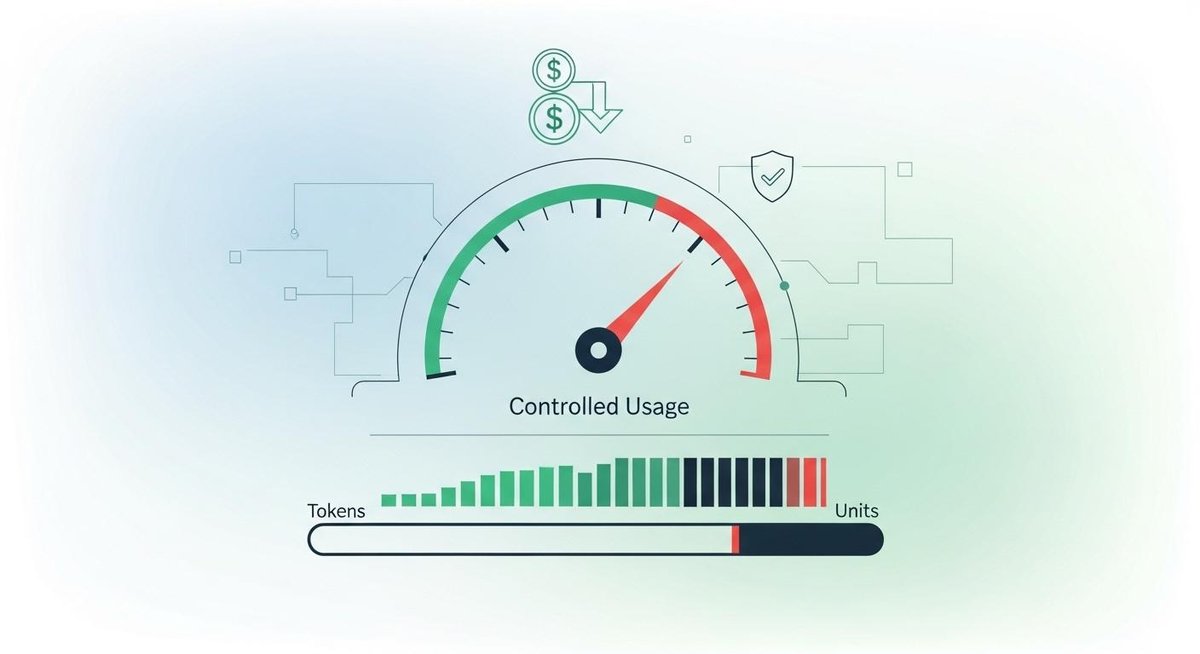
AI-powered content creation changes agency economics dramatically. Unlimited AI access sounds appealing until the invoice arrives. Token costs spiral when twenty team members generate content without constraints.
Problems with Kontent AI and similar platforms often stem from inability to cap usage per user or project. Cost predictability disappears. Client profitability becomes guesswork.
Granular AI Usage Management
Decipher sets token limits per user role, controlling AI generation costs before they explode. Cap usage per client workspace for budget predictability. Monitor consumption in real-time across teams and projects.
Writers receive lower token allocations for draft creation. Editors get moderate limits for content optimization. Publishers access higher limits for final polish and distribution. This tiered approach matches AI investment to actual value creation.
Admin oversight prevents budget overruns before they happen. Real-time dashboards show exactly who's using what, where costs concentrate, and when limits need adjustment.
Client-Specific Budget Allocation
Allocate token budgets per client workspace, ensuring profitability by limiting AI costs to project scope. Track actual usage against estimates for accurate future bidding. Transparent cost attribution enables client billing if needed.
This level of control transforms AI from a cost risk into a competitive advantage. The best platform for digital agencies doesn't just enable AI usage—it makes AI economically sustainable.
Compare this to Contentful reviews highlighting limited AI capabilities or platforms requiring third-party integrations for basic cost controls. Native integration matters when margins depend on it.
Permission Architecture as Operational Foundation
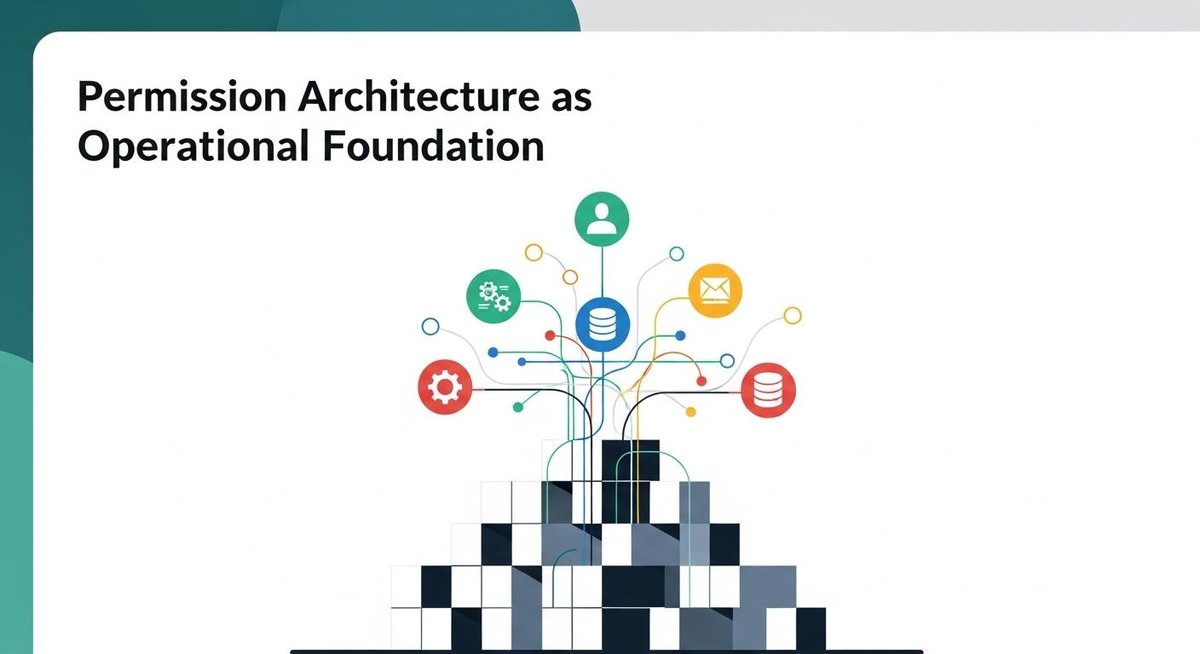
Most agencies treat permissions as a technical checkbox. Set it up once during onboarding, then forget it exists. This works until rapid growth exposes every shortcut.
Proper role management prevents costly mistakes and security breaches. A writer can't accidentally delete an entire client workspace. A freelancer can't access competitor strategy documents. These safeguards seem obvious until they're missing.
Scaling Without Chaos
The best CMS for marketing agencies grows with the team without requiring permission audits every quarter. Add new team members with confidence. Onboard freelancers without security paranoia. Expand client roster without operational complexity multiplying exponentially.
Cost controls protect agency margins as AI usage scales. Client confidence increases through professional access management. These aren't luxury features—they're operational requirements for agencies serious about growth.
Client Management With a CMS That Understands Agency Reality
Client management with a CMS demands more than content storage. It requires understanding that agencies juggle competing clients, fluctuating teams, and cost pressures simultaneously. Generic platforms built for single-organization use collapse under these demands.
Decipher's granular controls enable growth without operational chaos. Permission architecture becomes competitive advantage instead of administrative burden. Teams focus on client work instead of fighting the platform.
Implementation Strategy for Agency Success

Start with clear role definitions mapped to actual responsibilities. Resist the temptation to give everyone admin access "just in case." Define project boundaries before adding team members. Set conservative token limits initially—easier to increase than decrease.
Review permissions quarterly as team structure evolves. Remove access promptly when team members leave or shift roles. Monitor AI usage patterns to identify optimization opportunities.
Most importantly: treat permission architecture as strategic infrastructure, not technical minutiae. The agencies that scale successfully understand this distinction.
Decipher's benefits for digital agencies as a CMS extend far beyond content management. The platform recognizes that agency operations demand sophisticated access control, cost management, and client isolation—not as add-ons, but as foundational capabilities.
See Decipher's team management capabilities in action—schedule an agency demo and discover how granular controls transform multi-client operations from chaotic to systematic.


