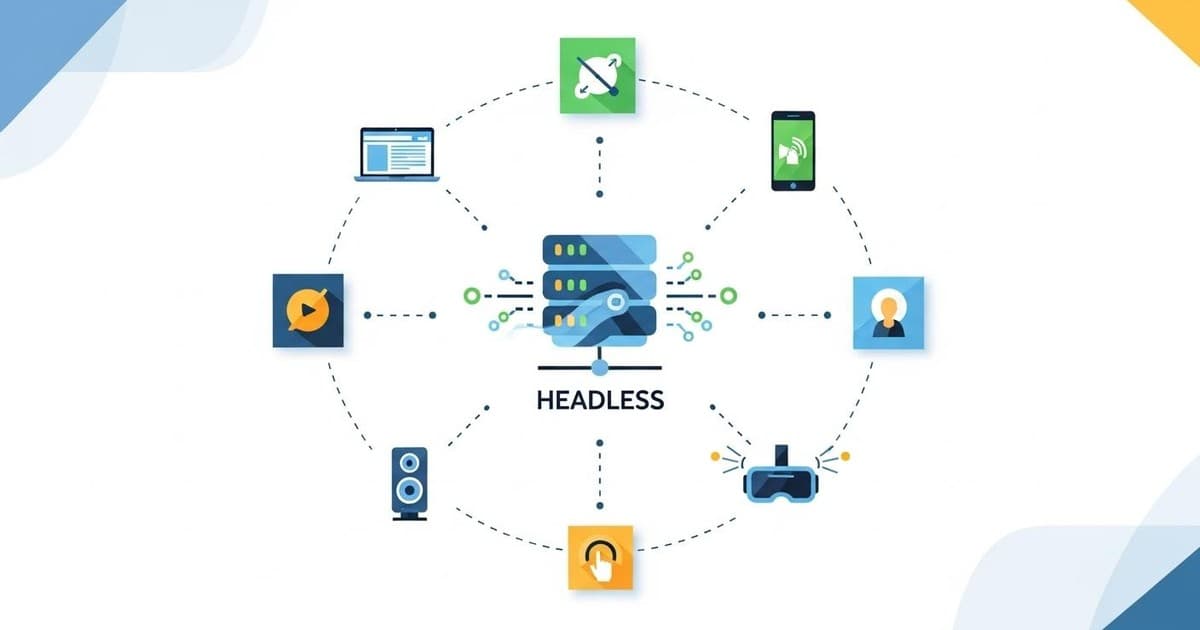
Headless CMS benefits for Digital Agencies
Headless CMS architecture delivers agencies frontend freedom, multi-platform content delivery, faster development cycles, and superior client results by decoupling content management from presentation layers. This separation transforms how agencies serve diverse clients without being locked into restrictive tech stacks or forcing platform migrations.
Traditional CMS platforms make a dangerous assumption: every client wants the same frontend experience. Reality? Your clients exist across vastly different technical ecosystems, each with legitimate reasons for their current infrastructure.
Why Traditional CMS Platforms Fail Modern Agencies

Most agencies hit the same wall. You win a promising new client, then discover they're committed to React while your agency CMS only plays nice with its proprietary templating system. Now you're choosing between losing the project or maintaining separate technology stacks.
Client diversity isn't a problem to solve—it's the nature of agency work. Some clients need progressive web apps. Others require native mobile experiences. A few are experimenting with IoT devices or digital signage. Traditional monolithic platforms can't adapt to this reality without expensive workarounds or complete rebuilds.
Headless architecture eliminates this friction entirely. Content lives in a centralized system, delivered via APIs to any frontend framework or platform your clients prefer.
Frontend Freedom Changes Client Acquisition
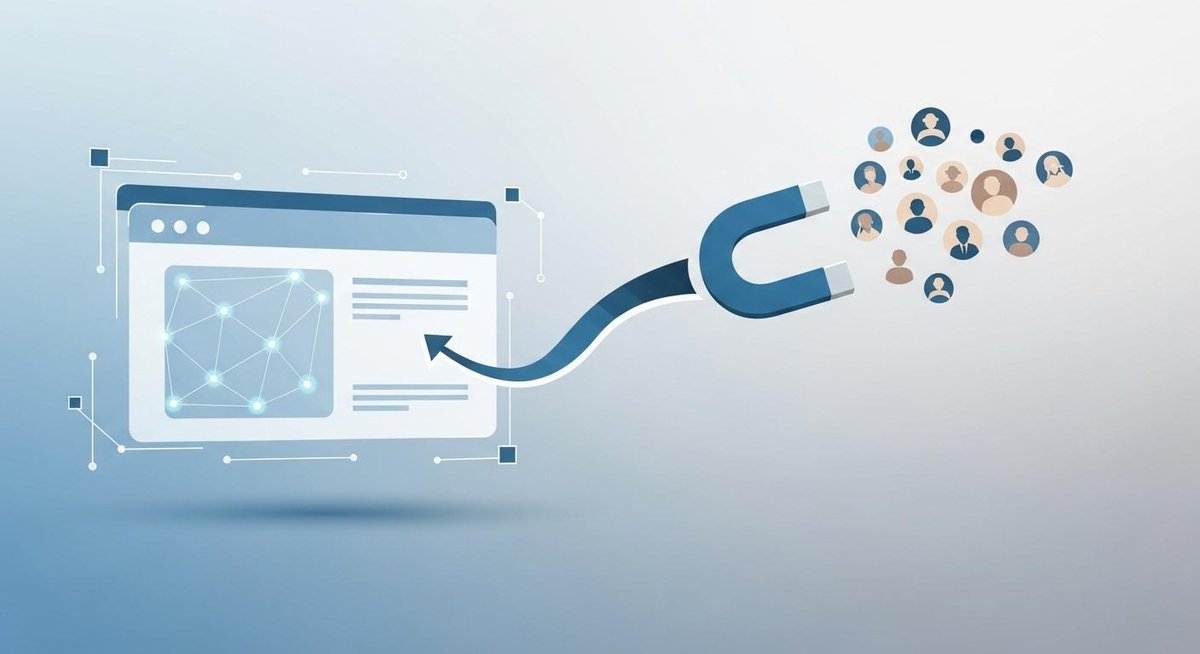
Tech stack agnosticism means never turning down projects because of technical incompatibility. Your team works with React, Vue, Angular, Next.js, or whatever framework makes sense for each specific client need.
This flexibility directly impacts your bottom line. When competitors say "we'd need to rebuild your entire frontend," you say "we'll work with what you have." That's a competitive advantage that wins contracts.
The separation between content management and presentation also protects clients from vendor lock-in. They're investing in content infrastructure that survives frontend redesigns, framework migrations, and platform evolution. Smart agencies position this flexibility as a core value proposition rather than a technical detail.
Omnichannel Content Distribution Without Duplication

Your client's content shouldn't live in five different systems just because they need a website, iOS app, Android app, and digital display network. That's operational chaos disguised as a content strategy.
Headless CMS creates a single source of truth. Content teams publish once, and that content flows to every channel through APIs. Update a product description, and it changes simultaneously across web, mobile, and any other connected platform.
This architecture future-proofs client investments. When the next platform emerges—whether it's AR glasses, voice interfaces, or something we haven't imagined—the content infrastructure already supports it. No migration projects, no content duplication, no emergency rebuild conversations.
Parallel Workflows Accelerate Project Timelines
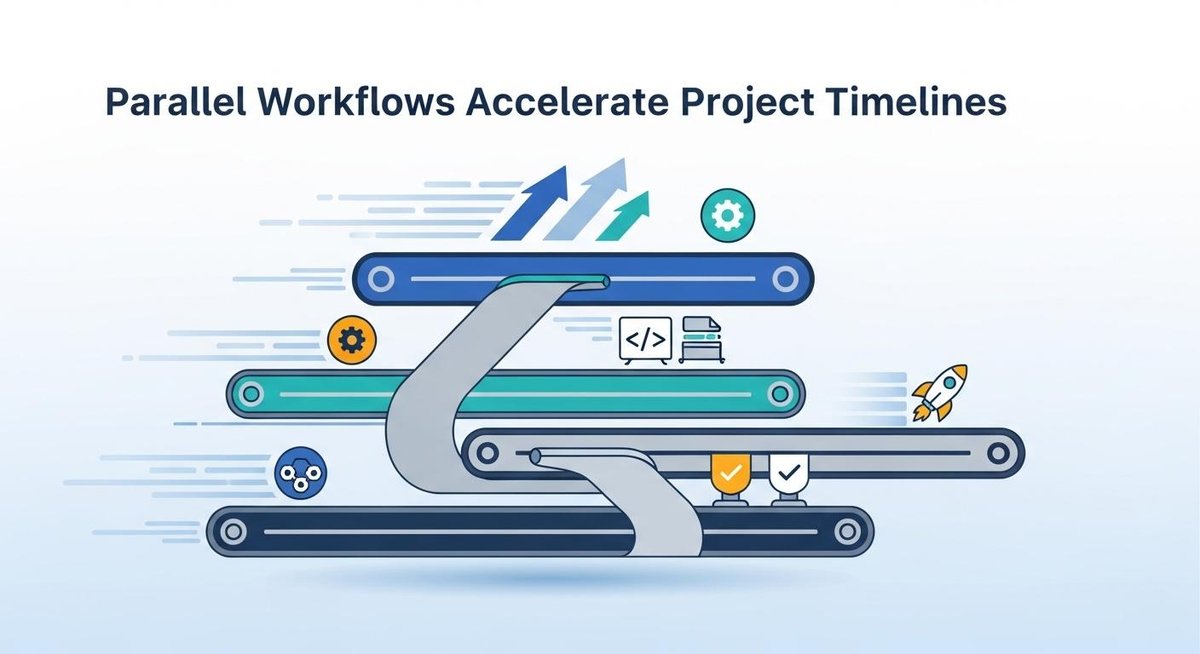
Traditional CMS development follows a painful sequence: backend configuration, then content modeling, then frontend implementation. Each phase waits for the previous one to complete. This sequential dependency adds weeks to every project.
Headless architecture enables simultaneous work. Backend developers configure content models and API endpoints while frontend developers build interfaces against mock data. Teams work in parallel instead of waiting in queue.
The timeline compression is substantial—projects that traditionally take twelve weeks can launch in eight. For agencies billing by the project, that's faster revenue recognition. For retainer-based agencies, it's higher throughput and more satisfied clients.
Reusable component libraries amplify these gains. Once you've built a content block system for one client, adapting it for the next client takes days instead of weeks. Your agency builds institutional knowledge that compounds with every project.
Performance Advantages That Impact Client KPIs

Static site generation combined with CDN distribution delivers content faster than traditional server-rendered pages. This isn't a minor technical improvement—it's a measurable impact on client business metrics.
Google's Core Web Vitals directly influence search rankings. Faster sites rank higher, period. When your agency consistently delivers superior performance, you're not just building websites—you're improving organic visibility without additional ad spend.
Traffic spikes become non-events. Black Friday sales, viral social posts, or unexpected media coverage won't crash client sites. The architecture scales automatically because you're serving static files from CDNs, not generating pages on-demand from database queries.
This reliability protects both client revenue and your agency reputation. Nobody wants 3 AM emergency calls because a client's promotional campaign succeeded too well.
Security Posture That Protects Everyone

Traditional CMS platforms expose admin interfaces to the public internet. Every WordPress site publicly announces "here's where you log in to control everything." That's an invitation for automated attacks.
Headless architecture separates content management from content delivery. The admin interface lives behind authentication and authorization layers, often on entirely different infrastructure. Attackers can't exploit what they can't access.
For agencies managing multiple client sites, this separation reduces risk exposure. A vulnerability in one client's frontend doesn't compromise the content management system or other client projects. Enterprise-grade security becomes standard across all accounts, not a premium feature.
API-First Integration Eliminates Plugin Dependency
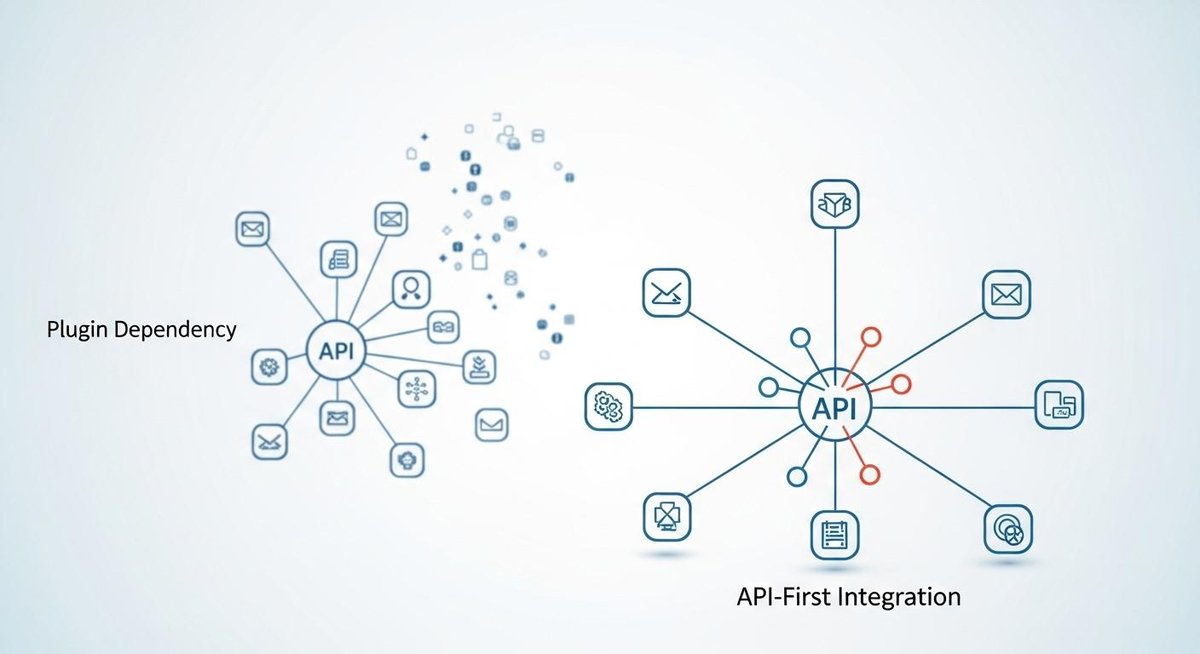
Every agency has experienced plugin hell. A client needs CRM integration, so you find a plugin. Then they want marketing automation, so you add another plugin. Soon you're managing dozens of plugins with conflicting dependencies and questionable security practices.
Headless CMS platforms operate API-first. Need to connect HubSpot, Salesforce, Google Analytics, or custom internal tools? Build direct integrations using documented APIs instead of hoping someone maintains a compatible plugin.
This approach creates consistent patterns across client projects. Your team develops integration expertise that applies universally rather than learning platform-specific plugin ecosystems. When managing multiple clients, this consistency dramatically improves operational efficiency.
The Decipher Advantage for Agency Operations

Headless architecture solves technical challenges. But agencies face operational challenges too—specifically, managing multiple clients without administrative chaos or escalating costs.
Most headless CMS platforms charge per space or per project. That pricing model punishes agency growth. Win more clients, pay exponentially more. It's a business model designed for single-tenant use cases, not multi-client agencies.
Decipher combines headless flexibility with agency-specific operational features. AI-powered workflows streamline repetitive tasks across all client accounts. Multi-client management happens within a unified interface without per-space penalties. You're building a scalable agency operation, not just delivering individual projects.
The AI capabilities matter more than most agencies initially realize. Content operations involve repetitive patterns—metadata generation, SEO optimization, content categorization, workflow routing. AI handles these patterns automatically, freeing your team for strategic work that actually requires human judgment.
Modern Agencies Need Modern Architecture

Client expectations have evolved faster than most CMS platforms. They expect omnichannel experiences, lightning-fast performance, seamless integrations, and future-proof infrastructure. Traditional monolithic platforms can't deliver these expectations without expensive customization.
Headless architecture isn't a trendy technical choice—it's the foundation for sustainable agency growth. The flexibility removes barriers to client acquisition. The performance improvements deliver measurable client results. The security posture protects everyone. The integration capabilities enable sophisticated marketing technology stacks.
Agencies that embrace headless architecture position themselves for the next decade of digital projects. Those clinging to traditional platforms will increasingly struggle to compete on technical capabilities, project timelines, and operational efficiency.
The question isn't whether your agency needs headless CMS—it's which platform provides the best combination of technical flexibility and operational efficiency for multi-client management. See how Decipher's headless architecture powers agency operations—book a demo to explore AI workflows and client management features built specifically for agencies like yours.


